
Cricket Injury Assessment
Stop Managing Symptoms. Identify the Mechanical Drivers of Your Injury.
Cricket Matters Injury Assessments answer one question clearly: why did this injury happen — and why does it keep returning?
This is a clinical, in-person assessment delivered at our specialist clinic in Cwmcarn, South Wales, and the mandatory starting point for all injury rehabilitation at Cricket Matters.
We assess first, not symptoms in isolation. Injuries repeat when load exceeds capacity elsewhere in the kinetic chain — not because pain was treated, but because the cause was missed.
Why Most Cricket Injuries Never Truly Resolve.
Most injured cricketers are passed between disconnected inputs:
- Treatment that reduces pain but ignores cricket-specific actions
- Rest without addressing why the injury occurred
- Strength work added without restoring movement or control
- Return-to-play decisions based on time, not match readiness
Pain improves. Then returns.
In cricket, the painful area is often the victim — not the cause. A sore back may originate from hip restriction. A shoulder problem may be driven by thoracic stiffness or bowling workload. Treating the symptom alone almost guarantees recurrence.
The Cricket Matters Injury Assessment was built to stop that cycle.

Injury in Cricket Is a Mechanical and Load Problem.
Cricket places unique stresses on the body:
- Long spells of fast bowling
- High-velocity rotational forces
- Overhead loading under fatigue
- Long seasons with inconsistent recovery strategies
Injuries occur when the body can no longer tolerate those demands.
This assessment does not ask “Where does it hurt?”. It asks “What failed — and why?”

Why Injuries Keep Returning: The Athletic Pyramid.
Cricket performance — and injury — is hierarchical. If foundational layers are compromised, tissue failure is inevitable under match conditions. This is explained by the Cricket Matters Athletic Pyramid.
The Cricket Matters Athletic Pyramid
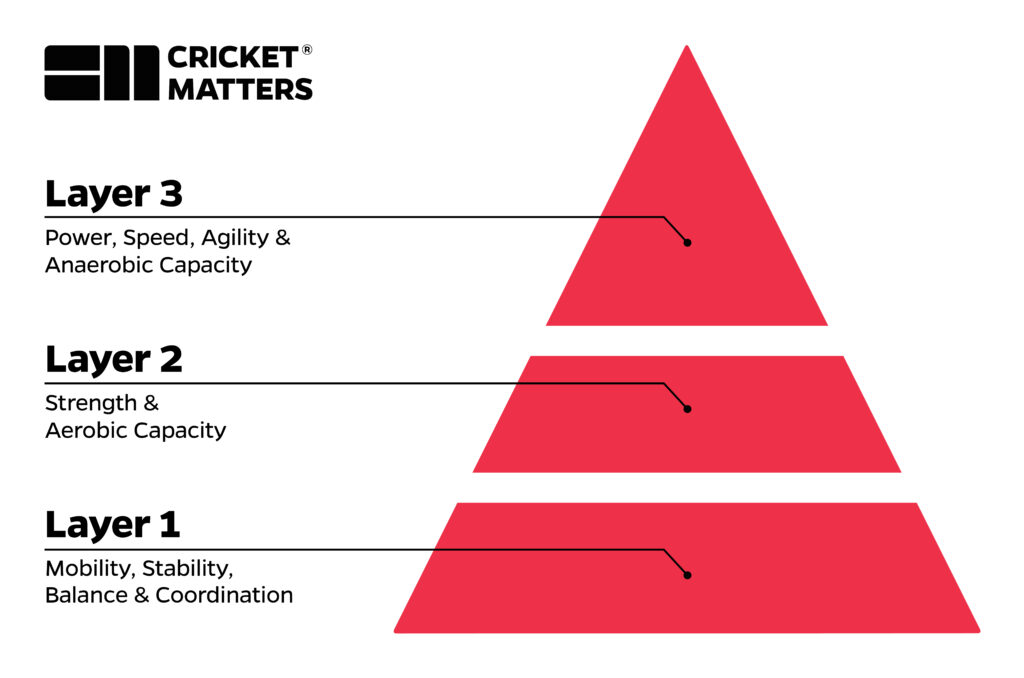
Layer 1: Movement Foundations.
Mobility, stability, balance, and coordination determine whether positions are accessible and controllable. Deficits here increase injury risk and compensation.
Layer 2: Strength & Aerobic Capacity
Supports force transfer and recovery between efforts. Without this layer, tissues fatigue faster and tolerate less load.
Layer 3: Power, Speed & Anaerobic Capacity
Match-deciding actions — sprinting, bowling velocity, explosive hitting — expose weak links under pressure.
Mental Resilience (Integrated)
Confidence and trust in the body emerge only when physical capacity supports decision-making under fatigue.
If lower layers are insufficient, injuries recur — regardless of treatment quality.
What We Assess: A Clinical Root-Cause Analysis.
Every Cricket Matters Injury Assessment follows a structured, clinical framework. Nothing is rushed. Nothing is guessed.
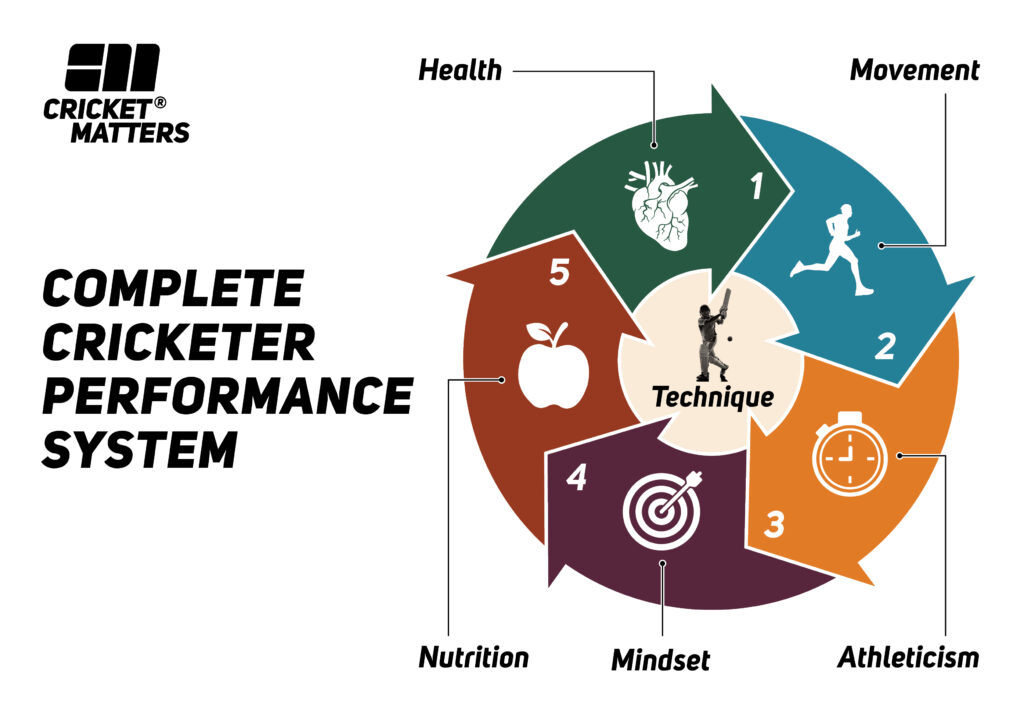
Clinical Diagnostic & Orthopaedic Assessment.
Led by James Breese (Level 4 Sports & Remedial Therapist, LCSP Associate Member), this stage assesses:
- Tissue health and irritability
- Joint integrity and range of motion
- Neural tension and symptom behaviour
- Red flags and risk factors
Clinical safety is prioritised at every stage.
Cricket-Specific Mechanical Loading.
We assess how the injured area behaves under cricket-specific demands, including:
- Fast bowling mechanics and workload history
- Batting rotation and force transfer
- Fielding and throwing exposure
This identifies whether pain is driven by mechanical overload elsewhere in the kinetic chain, rather than local tissue weakness.
Supporting System Review.
Where relevant, we examine factors that may be slowing healing or increasing risk, including:
- Movement availability
- Fatigue and recovery capacity
- Training and match load exposure
- Fuel and hydration habits
These elements are not treated separately — they are evaluated together to explain why recovery has stalled.
Your Return-to-Performance Roadmap.
This is not a “wait and see” approach. Every Injury Assessment produces a clear, structured Return-to-Performance Roadmap, outlining:
- The primary mechanical drivers behind the injury
- What is safe to train — and what is not
- Which movements or loads are currently limiting recovery
- Clear next steps inside the Cricket Matters Performance System
The goal is clarity. Once constraints are identified, decisions become predictable and confidence returns.
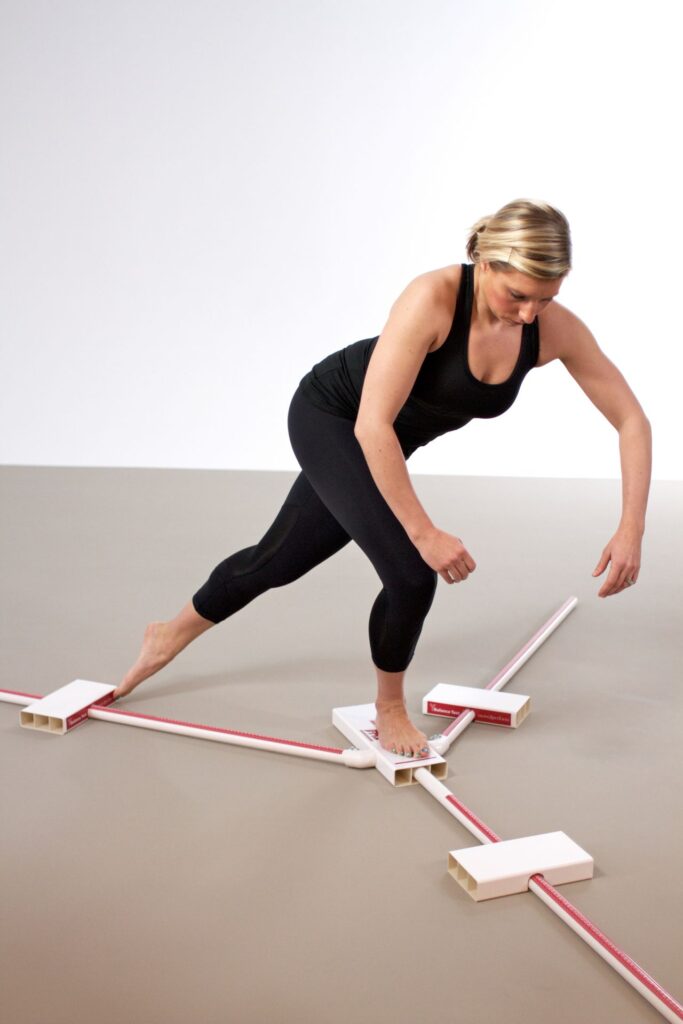
Who Leads the Assessment.
The Cricket Matters Injury Assessment is delivered in person at our Cwmcarn Clinic in South Wales:
Unit A6, Chapel Farm Industrial Estate, Cwmcarn, Newport, South Wales, NP11 7BH.
All assessments are led by James Breese, founder of Cricket Matters and Performance System Architect. James operates at the intersection of:
- Level 4 Sports & Remedial Therapy (LCSP Associate Member)
- ECB Cricket Coaching
- High-Performance Strength & Conditioning
This ensures injury decisions are clinically safe, cricket-specific, and performance-relevant.
Your Investment in Injury Clarity.
We believe in transparency and professional accountability.
In-Person Cricket Injury Assessment
£135
Delivered at our Cwmcarn clinic, this includes:
- Full 90-Minute Clinical Diagnostic & Orthopaedic Assessment
- Cricket-Specific Mechanical Evaluation
- Load & Risk Review
- A clear Return-to-Performance Roadmap
This assessment is the mandatory entry point for all injury rehabilitation services at Cricket Matters.
Remote Assessment
N/A
This assessment is delivered in person only to ensure clinical safety and accuracy.
Why We Price This Way.
Clear pricing reflects a clear system.
- Every athlete follows the same injury assessment framework
- Decisions are standardised and accountable
- There are no hidden costs or arbitrary fees
By listing investment upfront, we ensure time and attention are reserved for athletes ready to rehab with intent.
Part of the Cricket Matters Performance System.
The Injury Assessment protects the system by ensuring unsafe decisions are never made upstream. Every rehabilitation plan, return-to-play decision, and performance outcome begins here — because technique and performance only hold when the body is safe to load.
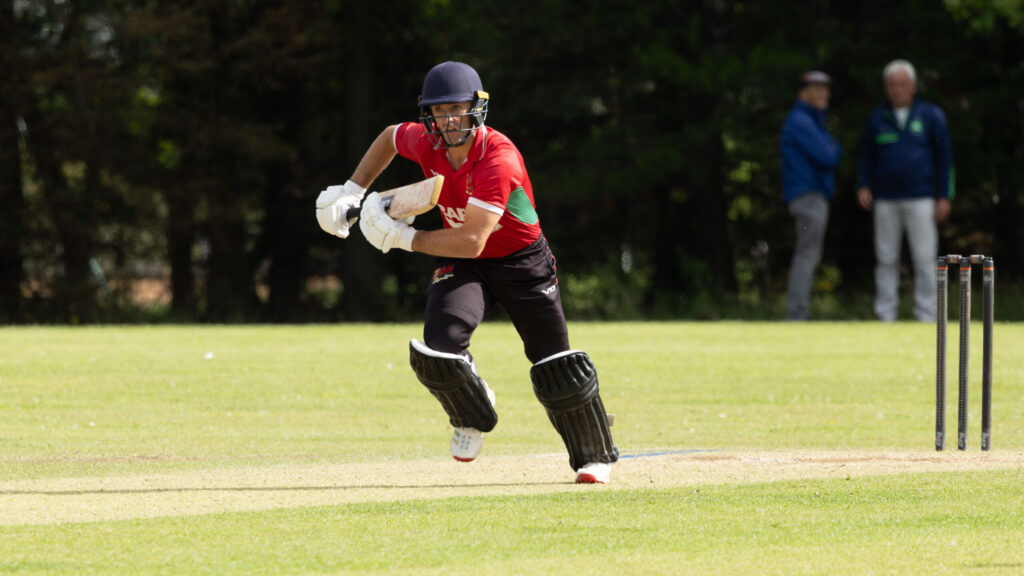
Not Injured — Just Want to Perform Better?
If pain or injury is not your primary concern, you should begin with a Cricket Performance Assessment instead. This ensures optimisation decisions are made without unnecessary clinical intervention.
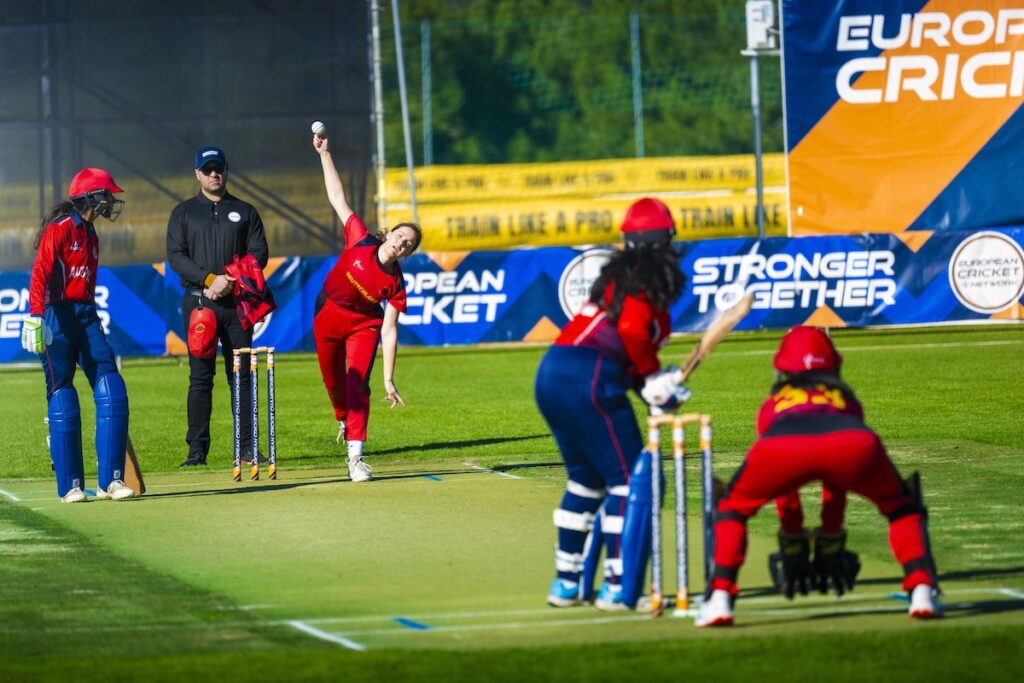
Choose Your Starting Point
Start in the Right Place.
Every cricketer starts with assessment — to identify what’s limiting progress before training or coaching begins.
Already a Client? Manage or Book Sessions Here
If pain or injury is involved, begin with an injury assessment.
If not, performance assessment is the correct entry point.
If you’re unsure, a free 20-minute clarity call will guide you.