
The Cricket Matters Performance System
One System. Built to Make Technique Hold Up When it Matters Most.
Cricket Matters operates a single, assessment-led performance system designed to connect injury rehabilitation, cricket technique, and physical preparation into one coherent framework.
This system exists because technique does not fail in isolation. It fails when the body cannot support it — under load, fatigue, pressure, and time. The Cricket Matters Performance System is built to ensure improvements survive all four.
Why Most Cricket Training Fails.
Most cricketers don’t lack effort. They lack joined-up decisions. They move between disconnected inputs:
- Rehabilitation that restores symptoms but ignores cricket mechanics
- Coaching that adjusts technique without addressing physical limitations
- Training that builds fitness without considering workload, recovery, or injury history
The result is familiar: Form improves briefly. Injuries return. Progress stalls.
We build durable, high-performing cricketers by connecting clinical rehabilitation, cricket coaching, and physical preparation into one clear performance system—so improvements hold up under match conditions, not just in the nets.
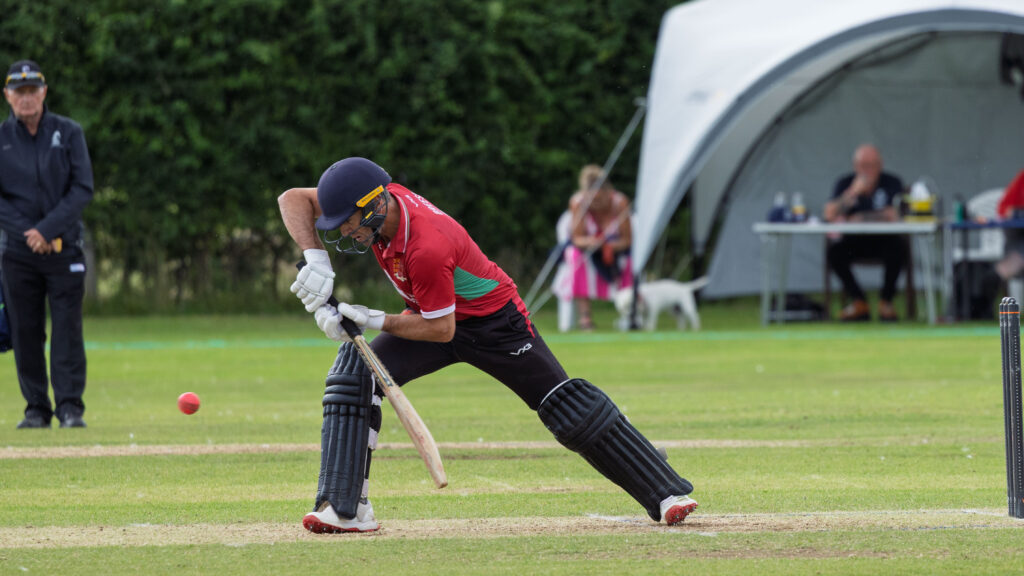
Technique Is the Output — Not the Starting Point.
Technique is not something you simply “fix.”
It is the visible expression of:
- Health and pain status
- Movement access and control
- Strength, power, and fatigue resistance
- Decision-making under pressure
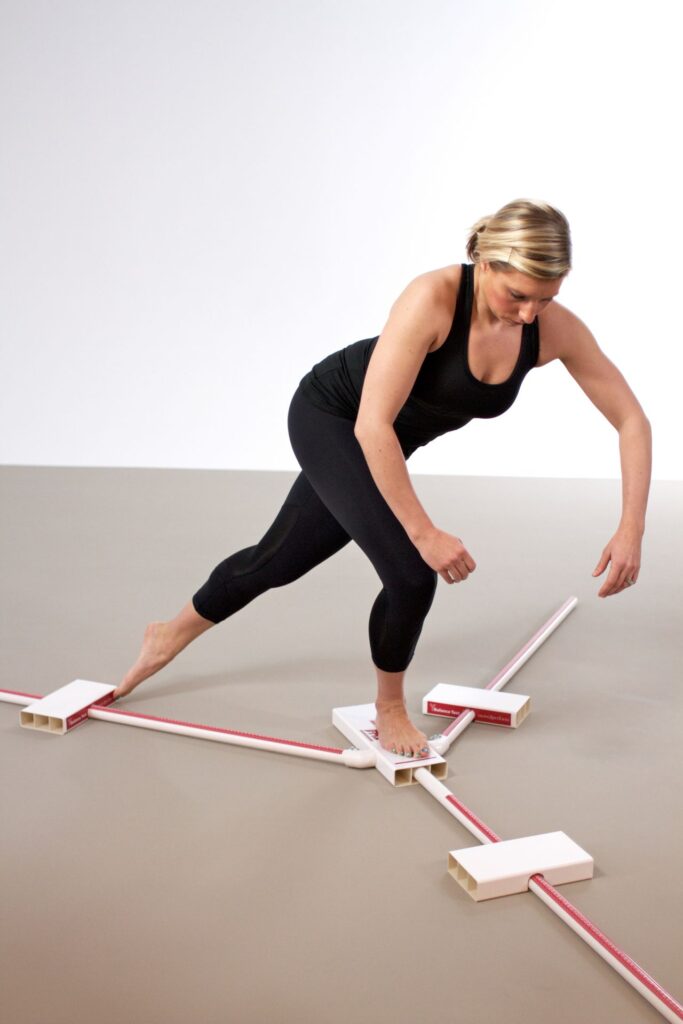
Pain alters mechanics. Restricted movement limits positions. Fatigue exposes weak links.
If the body cannot access or tolerate a position, no amount of technical instruction will make it reliable. In this system, technique is treated as an outcome — not an isolated input.
The Performance Flywheel.
At the centre of the Cricket Matters Performance System is technical output — not technique in isolation, but the ability to express technique repeatedly under load.
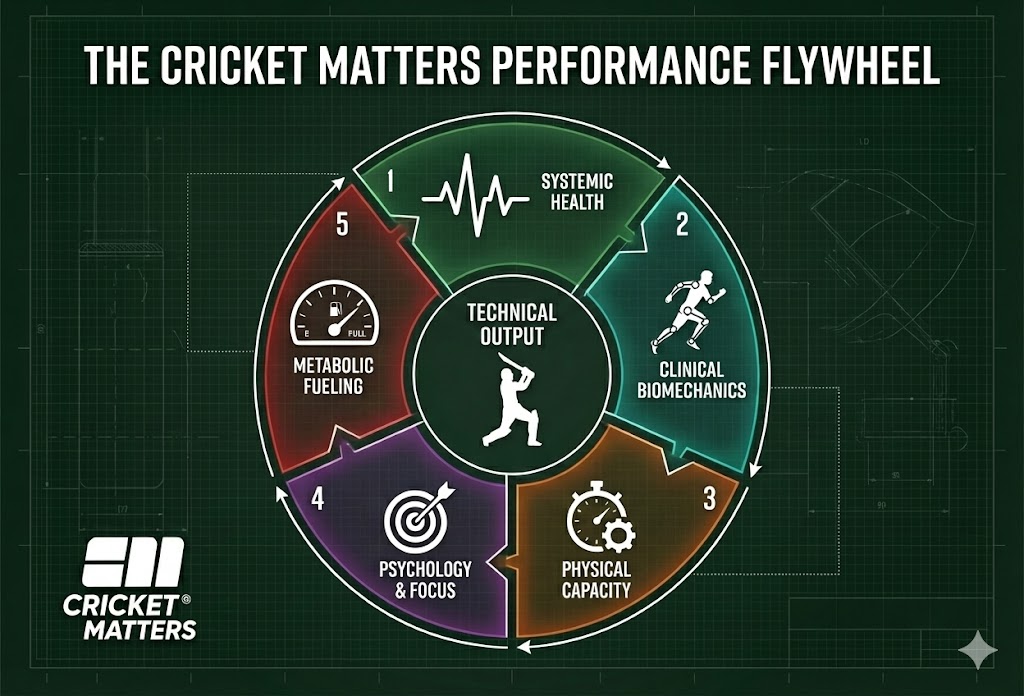
Technical output is sustained only when five interdependent systems are aligned. If any one system is compromised, technique becomes inconsistent, fragile, or fails under pressure. The Performance Flywheel describes the conditions that allow technique to hold.
The Five Systems That Support Technical Output.
Systemic Health.
Systemic health determines whether a cricketer can tolerate training, recover between sessions, and sustain output across time. Unresolved pain, fatigue, medical load, or recovery deficits distort movement quality, decision-making, and availability.
Clinical Biomechanics.
Biomechanics determines whether required positions are available, repeatable, and efficient. Joint function, sequencing, and load transfer govern how force is expressed — and where stress accumulates when movement breaks down.
Physical Capacity.
Physical capacity defines how well technique holds under intensity and fatigue.Strength, power, speed, and conditioning determine whether technical intent can be maintained as demands increase.
Psychology & Focus.
Psychological control emerges when the system is prepared to tolerate pressure. Decision-making, composure, and confidence degrade when fatigue, uncertainty, or physical instability are present.
Metabolic Fueling.
Fueling governs availability — physically and cognitively — across training and competition. Energy intake, hydration, and recovery capacity influence adaptation, resilience, and long-term consistency.
These systems are not addressed in isolation. They are managed together, because technical output sits at the intersection of all five.
The Performance Flywheel explains what supports technique. The Athletic Pyramid explains why technique fails when that support is missing.
Together, they form a single assessment-led system — designed to hold up under real match conditions.
Why Technique Breaks in Matches (Not in the Nets).
Many players look technically sound in short sessions — and break down during matches. This is explained by the Cricket Matters Athletic Pyramid.
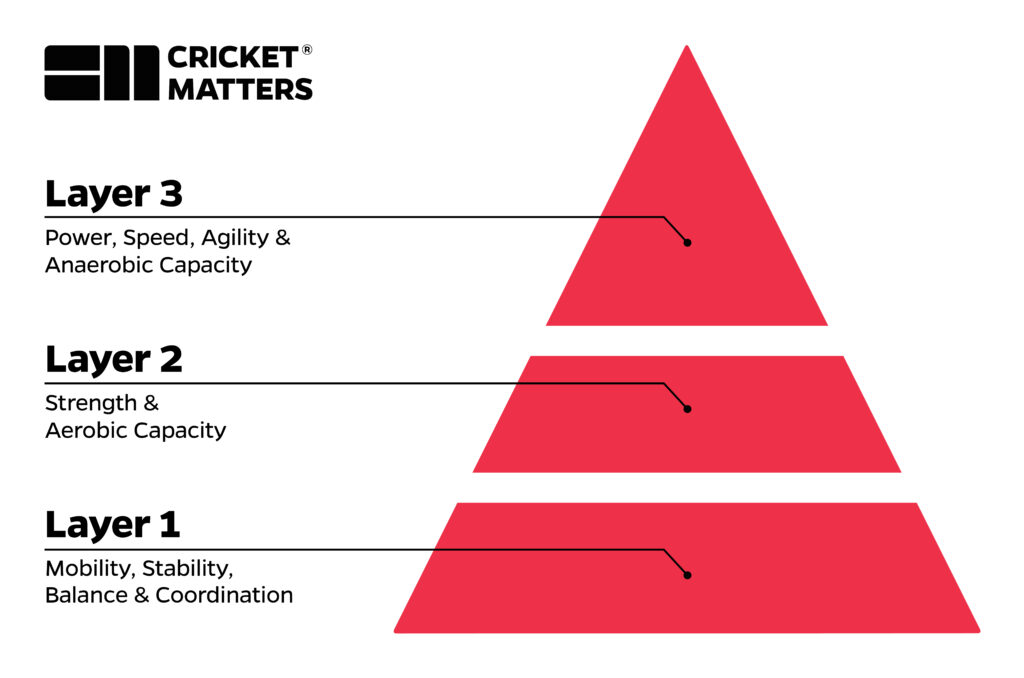
Layer 1: Movement Foundations
Mobility, stability, balance, and coordination determine access to positions and basic control. Deficits here increase injury risk and compensation.
Layer 2: Strength & Aerobic Capacity
This layer supports force transfer and recovery between efforts. Without it, technical intent cannot be sustained.
Layer 3: Power, Speed & Anaerobic Capacity
This layer determines match-deciding actions — sprinting, bowling spells, explosive hitting — under pressure.
Mental Resilience (Integrated)
Mental resilience is not trained in isolation. It emerges when physical capacity supports decision-making under fatigue.
If lower layers are insufficient, upper-level technique collapses. The system is designed to prevent that.
The Three Pillars of the Cricket Matters Performance System.
Every decision inside the Cricket Matters Performance System is governed by the same three pillars.
Pillar 1: Clinical Foundation (Trust).
All athletes begin with assessment.

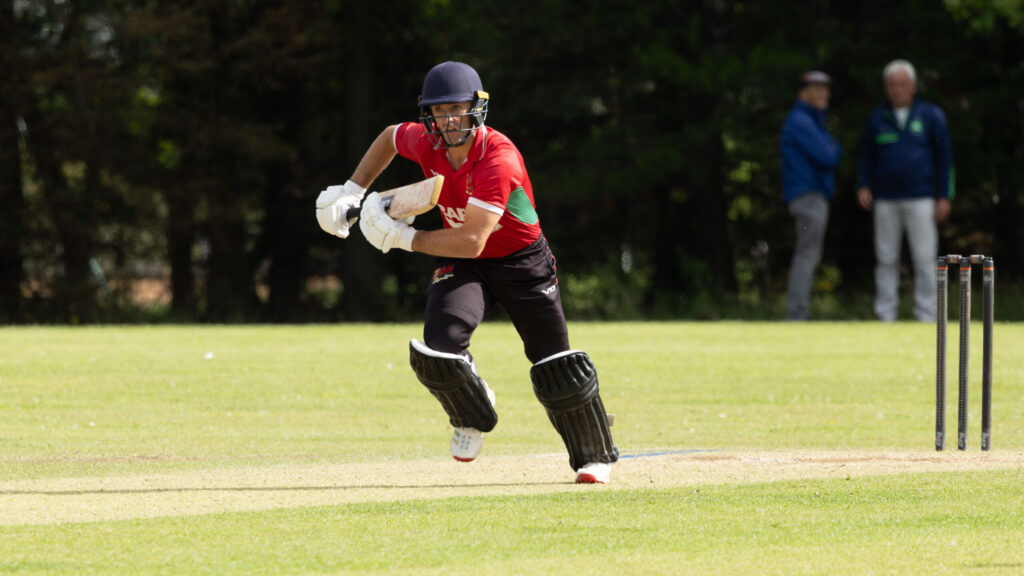
Led by James Breese (Level 4 Sports & Remedial Therapist, LCSP Associate Member), this stage identifies the mechanical drivers behind pain, repeated breakdown, or stalled performance.
Assessment provides:
- Clinical safety
- Clear decision-making
- Risk management
If it cannot be assessed clearly, it cannot be progressed safely.
Pillar 2: Technical Translation (Cricket Mechanics).
Clinical findings are translated directly into cricket-specific mechanics.

As an ECB Cricket Coach, James connects physical limitations to:
- Fast bowling mechanics
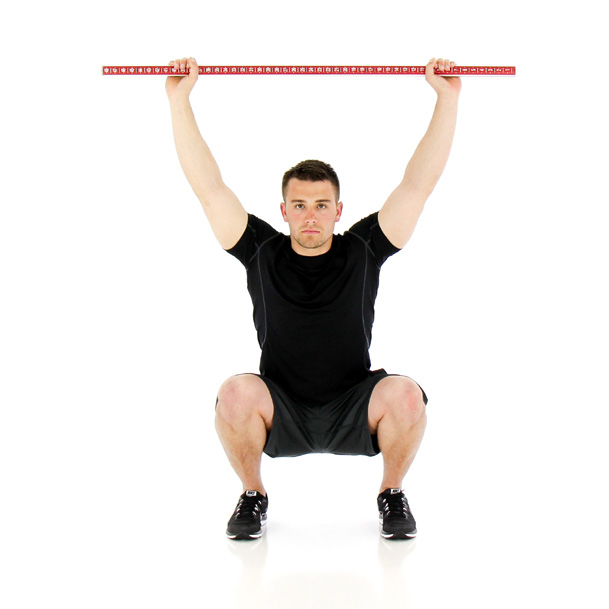
- Overhead demands
- Foot strike and front-foot contact
- Rotational sequencing and torque for batters
This ensures technical changes are realistic, repeatable, and grounded in what the body can actually deliver.
Pillar 3: Performance Capacity (Strength, Conditioning & Load).
Once the foundation is stable and technique is aligned, physical capacity is built.

This phase develops:
- Strength
- Power
- Speed
- Workload Tolerance
The goal is not short-term improvement, but performance that holds up across training blocks, hectic match schedules, and full seasons.
How the System Works in Practice.
The Cricket Matters Performance System always follows the same sequence.
Step 1: Assessment & Clinical Clarity
Identify the root cause of pain, restriction, or performance limitation.
Step 2: Technical Translation
Align movement findings with cricket-specific mechanics.
Step 3: Physical Preparation & Load Management
Build the capacity required to sustain the change under match conditions.
No step is skipped. No load is added without capacity.
Built by Someone Accountable for the Decisions.
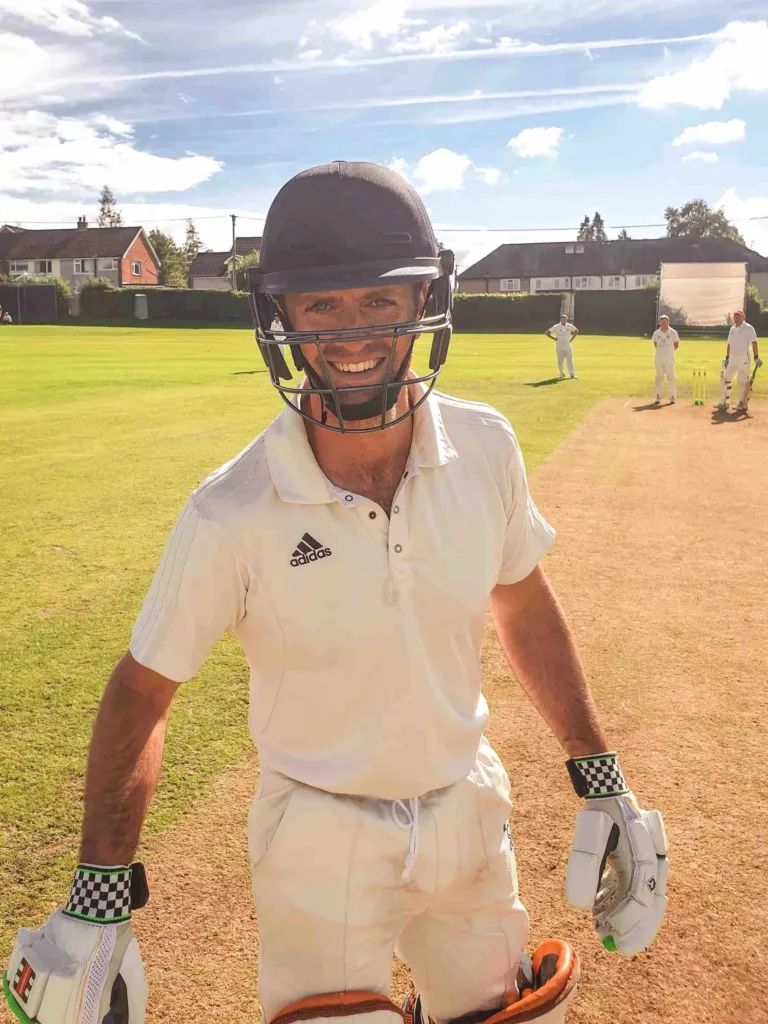
The Cricket Matters Performance System is designed and overseen by James Breese, founder of Cricket Matters and Performance System Architect.
James is responsible for:
- Clinical logic
- Technical decision-making
- System standards across all services
He operates at the intersection of therapy, coaching, and performance — and continues to play the game himself, competing internationally at Masters level.
This system is built on what survives real workloads, real selection pressure, and real seasons — not idealised models.
Better Every Ball.
Better Every Ball isn’t a slogan. It’s a commitment to progress that holds up. Cricket doesn’t change through one good session or one technical fix. It changes through small, repeatable improvements that survive fatigue, pressure, and time. If a change doesn’t make this ball better—and the next one—it doesn’t belong in the system.
Built in Wales. Applied Everywhere.
The Cricket Matters Performance System was developed inside real clubs, across real seasons, and under real constraints.
It was built where players juggle:
- Work
- Family
- Selection pressure
- Injury risk
What holds up here, holds up anywhere.
See the System in Action.
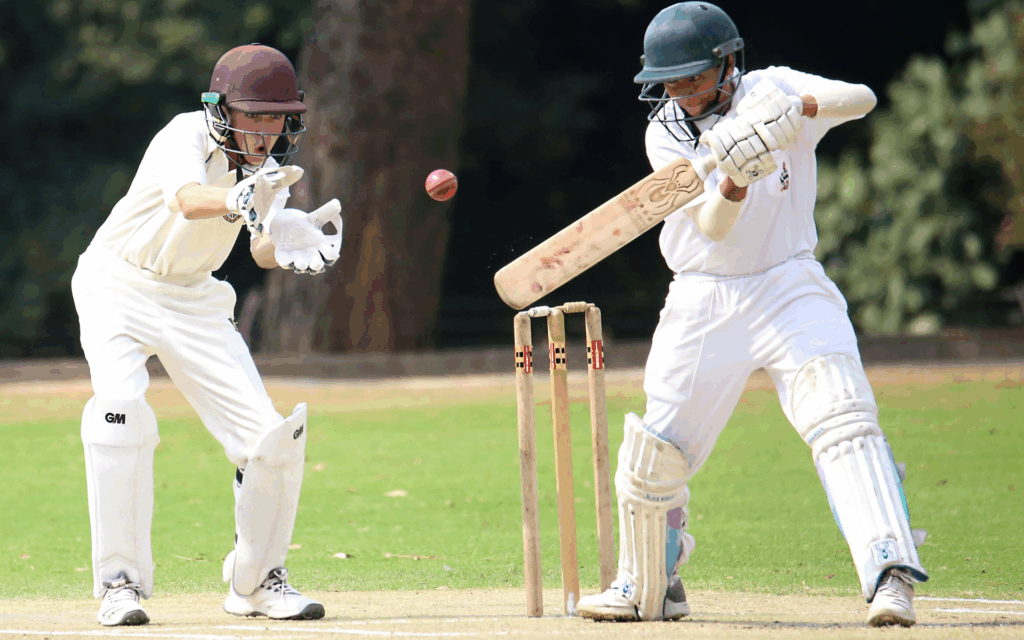
If you want to understand how these decisions translate into real outcomes, explore our case studies.
Clinical & Technical Case Studies Include:
- Injury Rehabilitation
- Performance Development
- Remote and International programmes
Choose Your Starting Point
Start in the Right Place.
Every cricketer starts with assessment — to identify what’s limiting progress before training or coaching begins.
Already a Client? Manage or Book Sessions Here
If pain or injury is involved, begin with an injury assessment.
If not, performance assessment is the correct entry point.
If you’re unsure, a free 20-minute clarity call will guide you.