
Nutrition Coaching for Cricket
Metabolic Engineering: Fueling the Engine for Cricketing Performance.
Nutrition at Cricket Matters exists to answer a simple but often ignored question: Does your body have the metabolic capacity to execute technique, make decisions, and recover under match-day stress — repeatedly, safely, and without breakdown?
This is not diet advice. It is metabolic engineering, delivered to professional standards.
Why Most Cricket Nutrition Advice Fails.
Most cricket nutrition guidance is generic.
It focuses on:
- “Eat more protein”
- “Stay hydrated”
- “Cut out junk”
- “Fuel better”
None of these answer the real problem.
Cricket is not a short, repeatable event. It is long-duration, cognitively demanding, asymmetric, and fatigue-exposing. Nutrition errors don’t just reduce energy — they poison technique and decision-making late in the day.
When fuel availability drops:
- Footwork slows
- Shot selection degrades
- Bowling mechanical leaks occur
- Injury risk rises
- Confidence drains
These are not technical failures. They are metabolic ones. We don’t build physiques. We build engines designed for cricket.

Precision Fueling. Not Diets.
At Cricket Matters, we do not prescribe meal plans. We build systems of fueling.
Our nutrition coaching is built on the globally recognised Precision Nutrition framework — adapted for the specific metabolic demands of cricket and overseen within a clinical performance system.
This means:
- No extremes
- No food rules
- No unsustainable protocols
Instead, we engineer high-leverage habits that expand metabolic capacity and hold up under real match conditions.
Sustainable performance is not achieved through perfection.
It is engineered through repeatable 1% improvements in metabolic behaviours.

The Concept: Metabolic Availability.
Cricket performance is governed by metabolic availability — not motivation.

If fuel is insufficient, the body prioritises survival over output.
Speed is down-regulated. Focus is lost. Decision-making degrades.
This is why nutrition is not optional in high-performance cricket.
At Cricket Matters, nutrition is treated as:
- A performance constraint when missing
- A performance amplifier when engineered correctly
Fuel does not just power muscles. It protects decisions and capacity, so technique is never overruled by physical constraint.
The Three Pillars of Cricket Nutrition.
We do not diet for aesthetics. We train for the biological demands of cricket.

1. Match-Day Substrate Management
Cricket demands sustained output over hours, not minutes.
We engineer:
- Carbohydrate timing (T20 vs longer formats)
- Hydration strategies (speed + coordination)
- Fuel availability across spells/breaks/fielding
It’s eating at the right time to prevent late-day performance dips — without chasing more intensity.
2. Metabolic Recovery & Re-Tooling
Recovery is not passive. Nutrition is how the body:
- Repairs tissue
- Restores glycogen
- Reduces inflammatory load and restores structural permissions
We use nutrition as a clinical tool to:
- Reduce breakdown risk
- Protect availability
- Support repeat performance across a season
3. Behavioural Infrastructure
Elite fueling must be sustainable. Using a habit-based system, we build:
- Simple, progressive behaviours
- Real-world routines
- Context-aware strategies that fit work, travel, and family life
We do not remove favourite foods. We optimise timing, consistency, and availability so performance never runs out of fuel in the 40th over.
How Nutrition Fits Inside the Performance System.
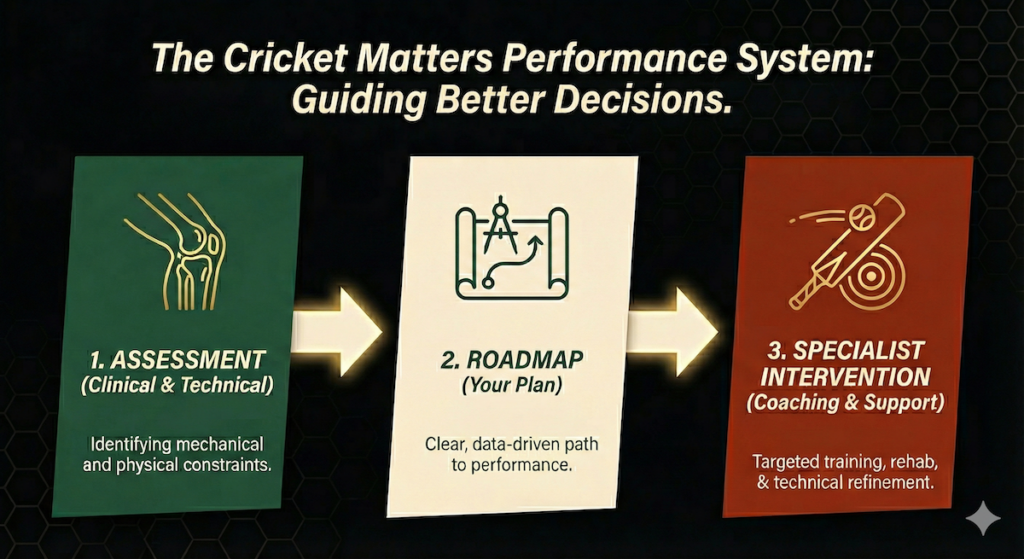
Nutrition at Cricket Matters is not delivered in isolation. Every athlete follows the same professional sequence:
Assessment → Roadmap → Nutrition & Physical Integration → Technical Expression
This ensures:
- Fuel supports Strength & Conditioning
- Recovery protects technique
- Metabolic decisions reduce injury risk
- Performance holds up under fatigue
Nutrition is never treated as a standalone service.
It is part of the infrastructure. It changes where the work happens.
The No Bypass Rule.
We do not guess with biochemistry.
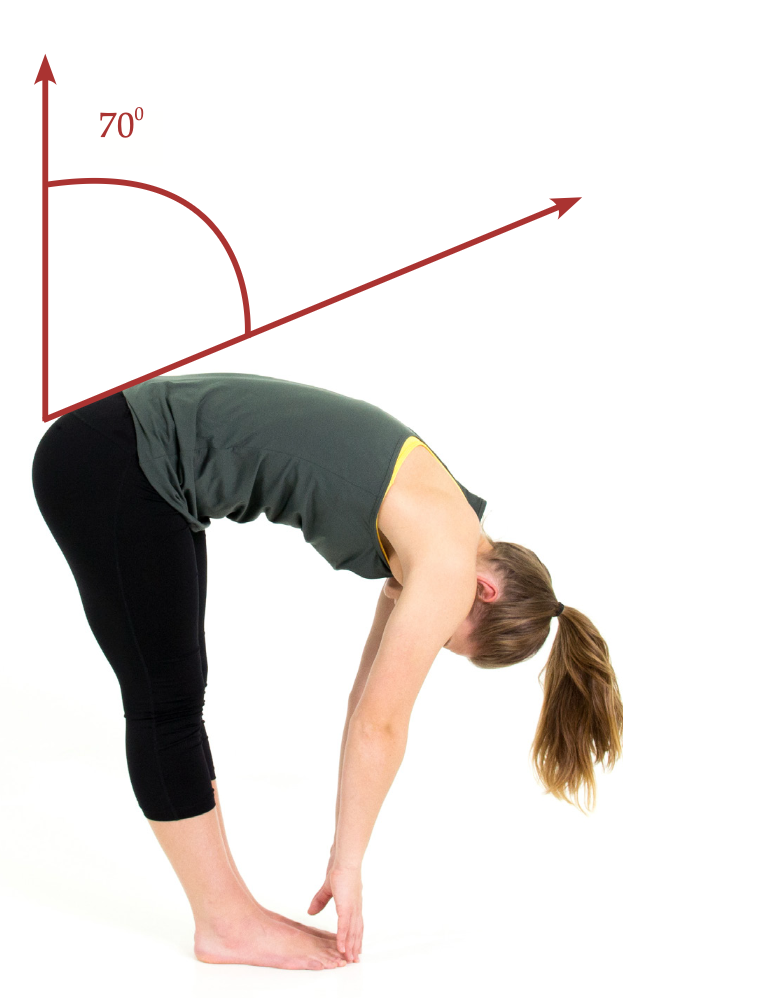
All nutrition coaching begins with a mandatory Performance Assessment, where we identify:
- Physical constraints
- Workload demands
- Injury history
- Metabolic stressors affecting technique and recovery
If pain is present, clinical safety takes priority. If capacity is missing, it is built — not masked with nutrition hacks.
This protects health, performance, and long-term availability. This is how long-term performance is protected.
Practitioner Oversight.
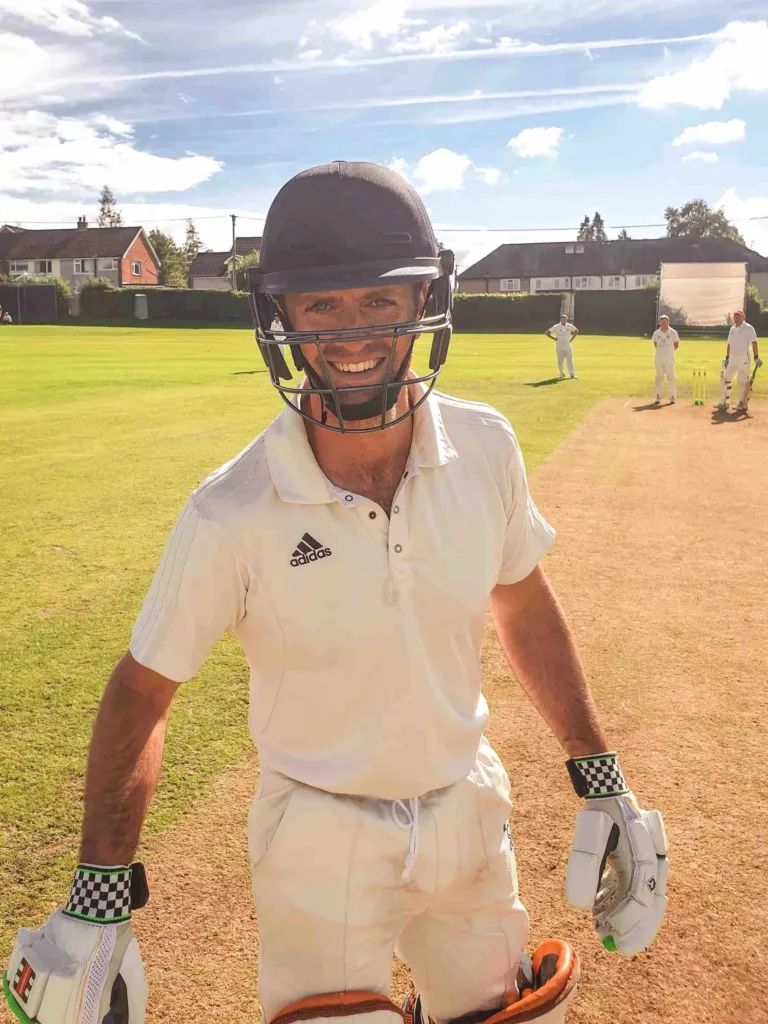
All nutrition coaching at Cricket Matters is designed and overseen by James Breese, Performance System Architect, operating at the intersection of clinical safety and performance engineering.
Credentials
- Level 4 Sports & Remedial Therapist (LCSP Associate Member)
- Precision Nutrition Certified Coach (PN1)
- ECB Cricket Coach
This ensures nutrition decisions are:
- Integrated with training and rehab
- Evidence-based
- Clinically safe
- Performance-relevant
Proof Without Noise.
Performance That Holds Up Under Pressure.
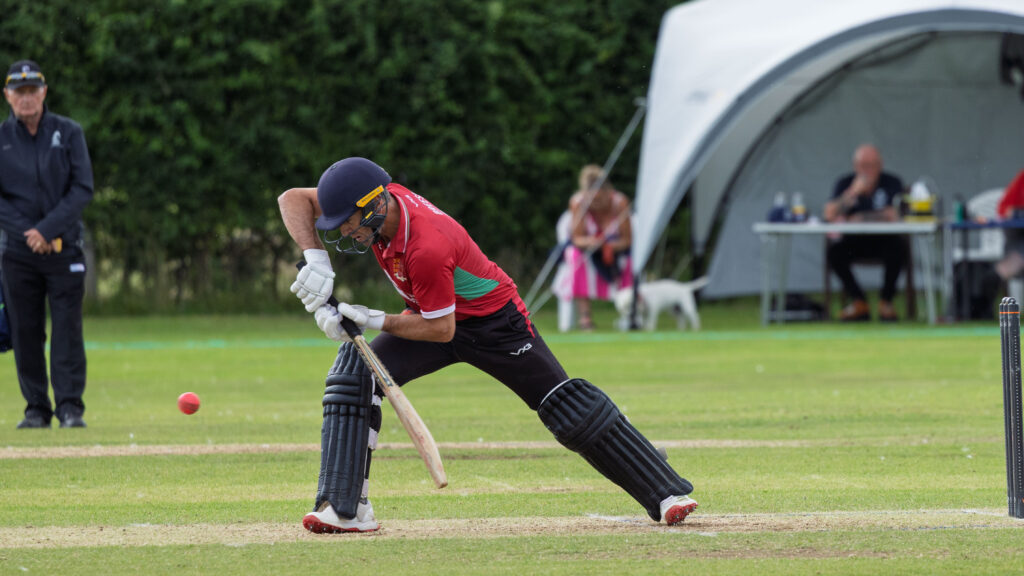
This metabolic engineering model is currently used to manage athletes across geographic boundaries, including international programmes where availability, fatigue management, and injury risk cannot be guessed.
It has survived real seasons, real workloads, and real fatigue.
Who This Is For.
This service is for cricketers — and parents — who want clarity instead of guesswork.
- Players whose performance fades late in matches
- Athletes breaking down despite “eating well”
- Cricketers returning from injury who don’t recover between games
- Parents seeking sustainable development, and advice on what to feed their kids on game days
If effort is high but output feels inconsistent, the issue is often fuel — not commitment.
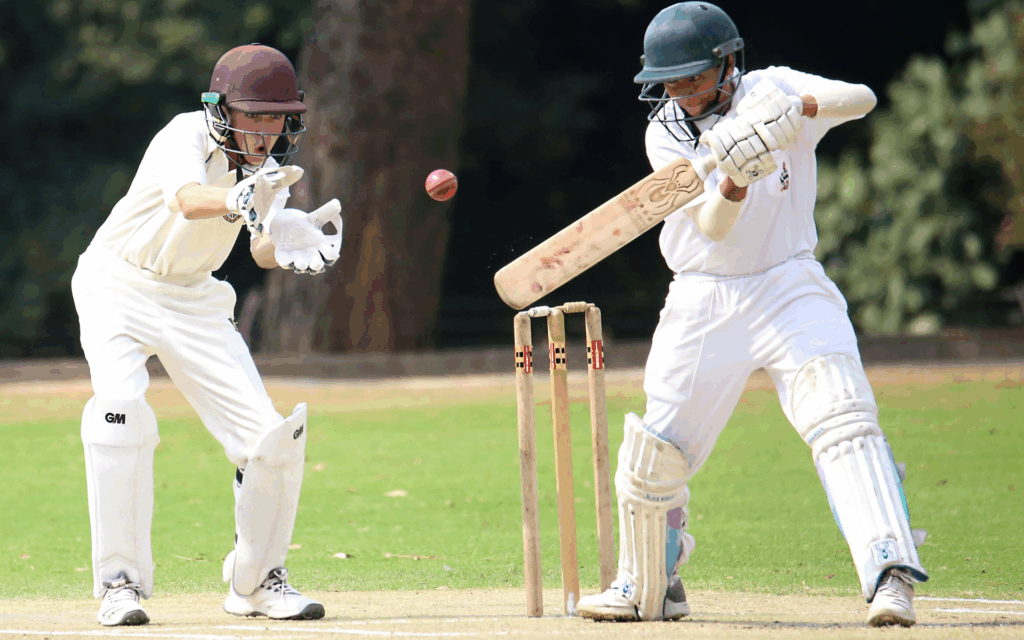
Start With Assessment.
Nutrition is not an add-on. It is a foundational performance input. All Nutrition Coaching begins with a Performance Assessment to ensure fueling decisions are appropriate, safe, and effective.
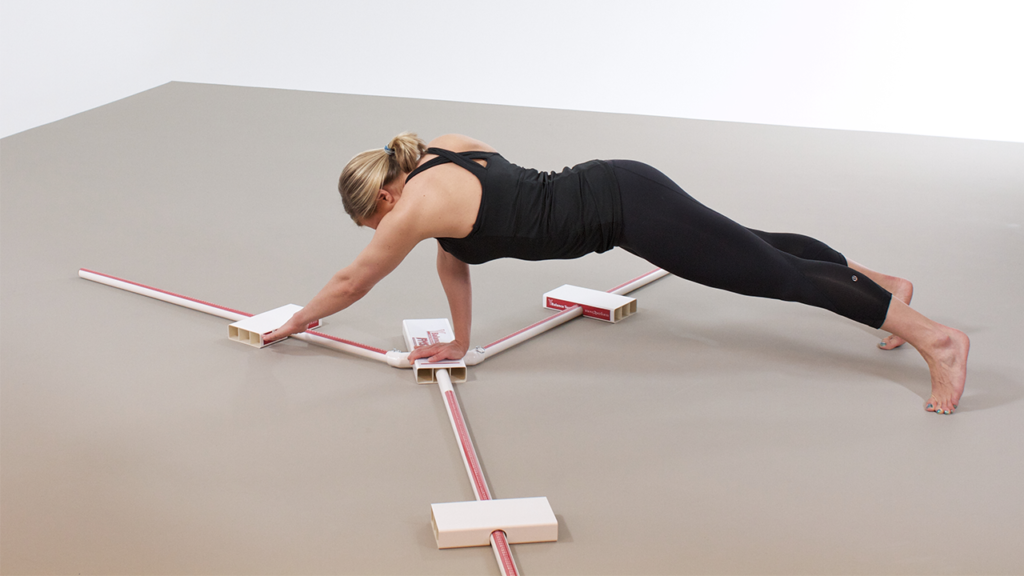
Choose Your Starting Point
Start in the Right Place.
Every cricketer starts with a free clarity call — to figure out together what makes sense next, before training, coaching, or assessment begins.
Twenty minutes. Free. No commitment.
Already a Client? Manage or Book Sessions Here