
Women’s Cricket Coaching
Bio-Mechanical Performance Engineering for the Female Athlete.
Women’s Cricket Coaching at Cricket Matters exists to solve a problem most coaching systems still avoid: Female performance is not a variation of the male game. It is a distinct biological system with its own structural demands, injury risks, and performance ceilings.
This is not inclusive coaching. It is clinical, assessment-led performance engineering, built specifically for the female frame — so performance holds up under match conditions, not just in training.
All women’s coaching at Cricket Matters begins with a mandatory Performance Assessment, because coaching habits without understanding female-specific constraints is how injuries occur and potential is lost.
Why Women’s Cricket Coaching So Often Fails.
The Pink-Washing Problem.
Most women’s cricket coaching fails for a simple reason: It uses male movement models — slowed down, softened, or repackaged.
This leads to predictable outcomes:
- Technique that looks tidy but collapses under load
- Strength programmes that don’t transfer to power
- Recurring knee, back, and shoulder injuries
- Players labelled “fragile” instead of mis-engineered
Female anatomy is not a flaw.
But treating female structure as something to be “corrected” rather than engineered around creates unnecessary risk.
At Cricket Matters, we don’t adapt the men’s game for women.
We build systems for female biology from the ground up — and we do not operate within the traditional coaching model.
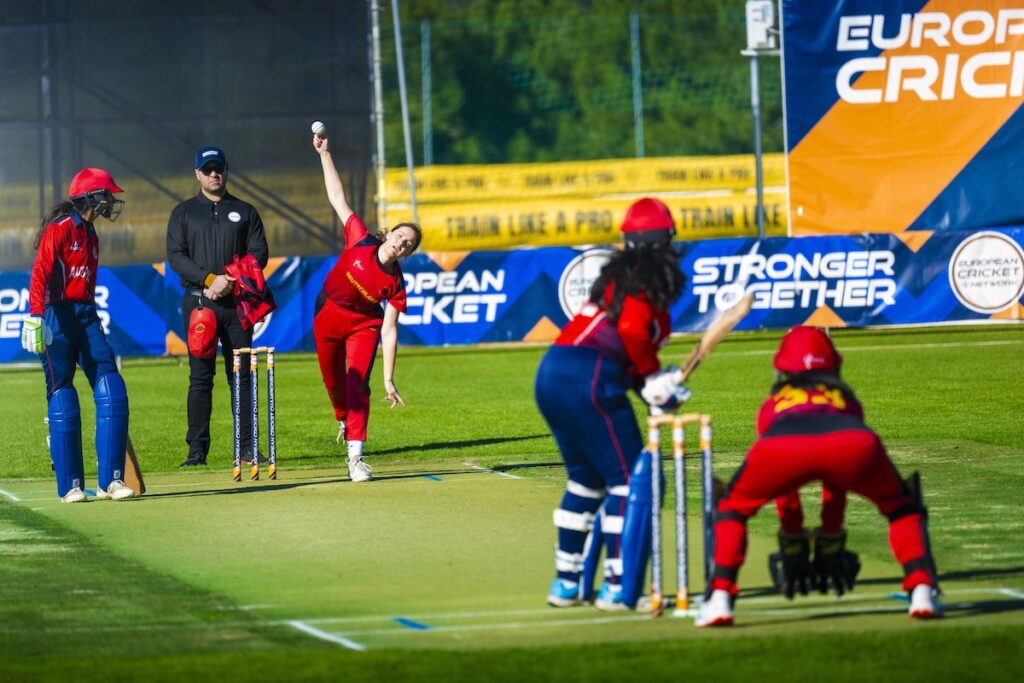
The Biology of Female Technique.
Structural Permissions Come First.
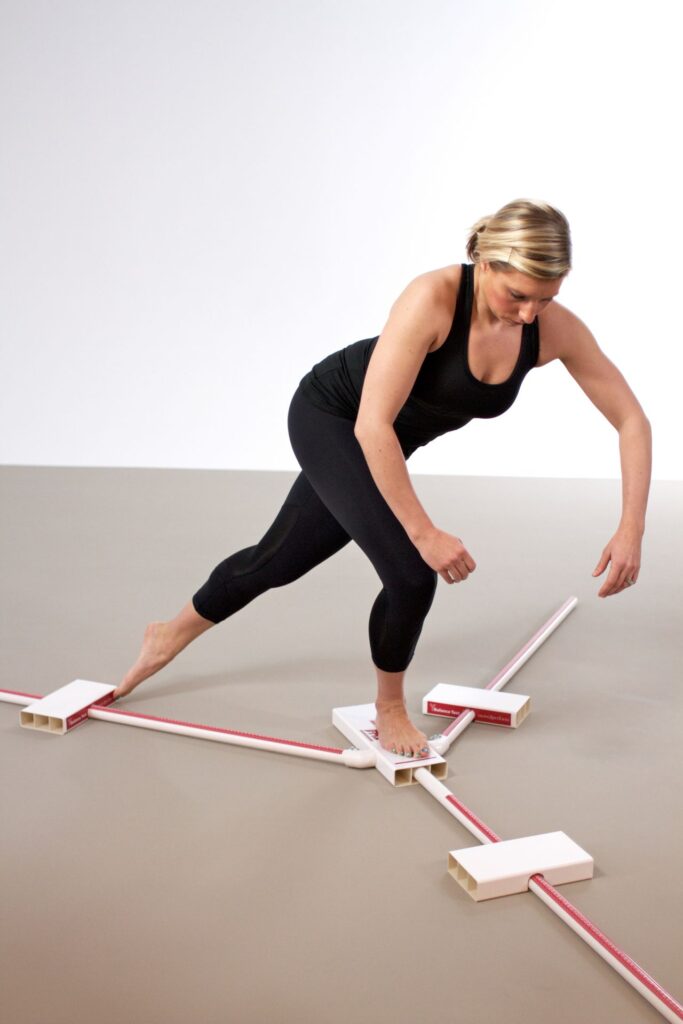
Technique is not a choice. It is an output of biology.
Female athletes present with structural realities that must be respected before technical change is applied:
- Wider pelvic structure and increased Q-angle
- Different hip–knee load-sharing strategies
- Greater joint laxity under fatigue
- Different expression of braking, rotation, and force transfer
At Cricket Matters, every technical issue is classified into one of two categories:
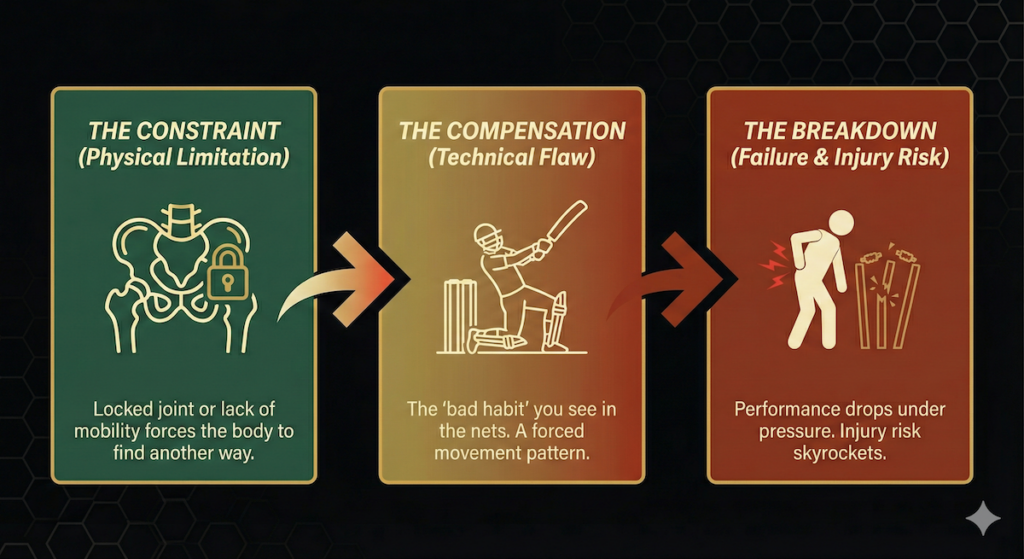
1. The Habit (Technical)
A movement the athlete can perform, but doesn’t — due to patterning, confidence, or tactical misunderstanding.
Habits are coached.
2. The Constraint (Physical)
A movement the body cannot perform safely or consistently.
- A knee collapsing inward is often managing pelvic instability, not poor intent
- A thoracic spine struggling to rotate is compensating for limited hip mobility
- A shoulder overworking is finishing force the trunk failed to initiate
Trying to coach around a constraint doesn’t fix it. It raises injury risk. This is why Cricket Matters operates a strict No Bypass rule. Structural Permissions are mapped before technical coaching begins.
The Female Performance Equation.
To remove ambiguity, this work operates under a clear performance model designed to bridge the geographic gap:
How Power Is Actually Generated.
Female power is not about force production alone. It is about force management.
This equation explains:
- Why some players look strong but lack impact
- Why others generate power safely and repeatedly
- Why injury risk rises when force is produced without control
We don’t coach styles. We engineer solutions for the female frame.

Female-Specific Stress Tests in Cricket.
Where Performance and Injury Risk Intersect. Cricket applies load in predictable ways. In female athletes, certain stress points demand specific attention.
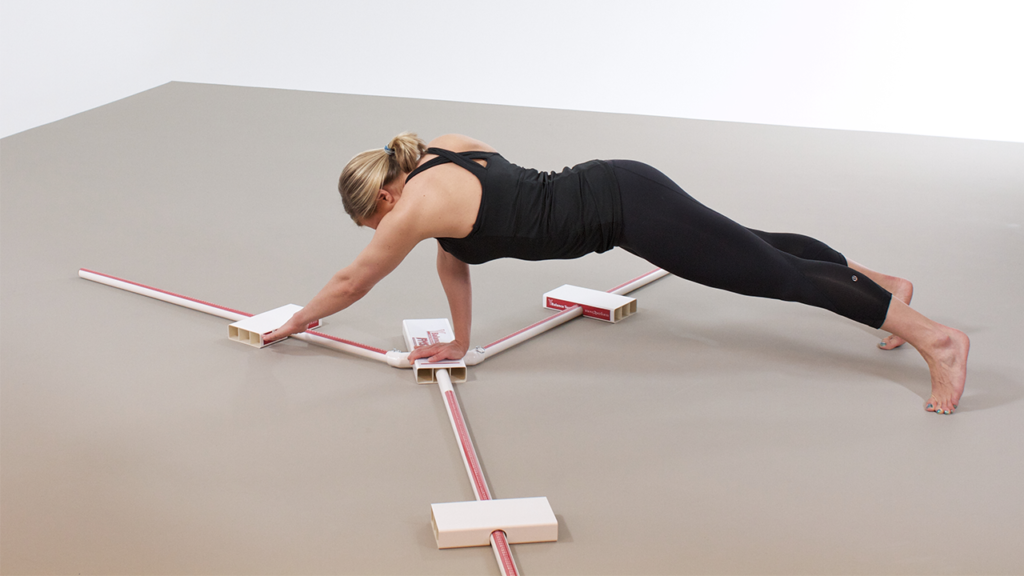
Lead-Leg Bracing & ACL Safety.
Non-contact ACL injuries are not accidents. They are load failures.
During batting, bowling, and fielding, the lead leg must absorb rotational force while maintaining alignment. When pelvic stability and hip contribution are insufficient, stress migrates to the knee.
Rehabilitation and performance work here focuses on:
- Controlled deceleration
- Bracing without stiffness
- Load absorption across the entire kinetic chain
ACL safety is not about caution. It is about engineering landings that survive rotation.
Learn more about our Cricket Injury Rehab Service.
Pelvic–Trunk Sequencing & Power Output.
Many female players are told they “lack natural power.” In reality, power is often trapped.
When rotation is driven through the lumbar spine instead of shared between hips and trunk, output drops and injury risk rises.
Our system restores:
- Hip contribution to rotation
- Trunk sequencing under fatigue
- Power transfer without shear stress
Power emerges when structure is leveraged — not forced.
Adaptive Loading & Fatigue Management.
Female tissue tolerance changes across time, training load, and competitive exposure.
This is not weakness. It is physiology.
Cricket Matters programmes adapt:
- Training intensity
- Recovery demand
- Skill exposure under fatigue
So performance progresses without breakdown.
Athletic Fielding & Throwing.
The Hidden Injury Zone in Women’s Cricket.
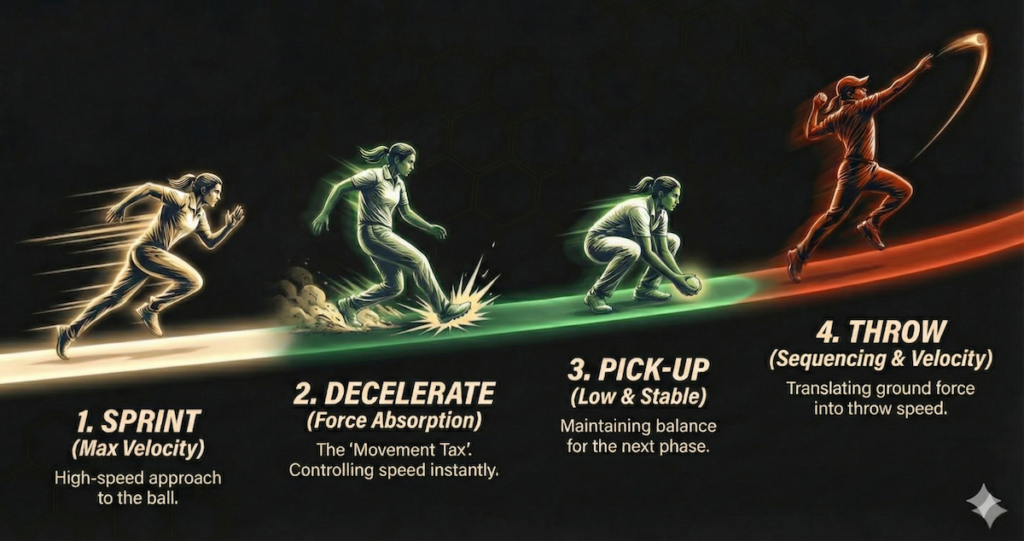
Fielding places the highest cumulative load on the female athlete — yet is often the least engineered.
We treat fielding as an athletic discipline, not a drill. Key pillars:
- Eccentric Braking Capacity — absorbing force safely
- Reactive Ground Contacts — first-step efficiency
- Throwing Mechanics Under Fatigue — protecting shoulder and spine
Fielding errors and injuries are rarely skill failures. They are capacity failures.
Proof Without Noise.
Performance That Holds Up Under Pressure.
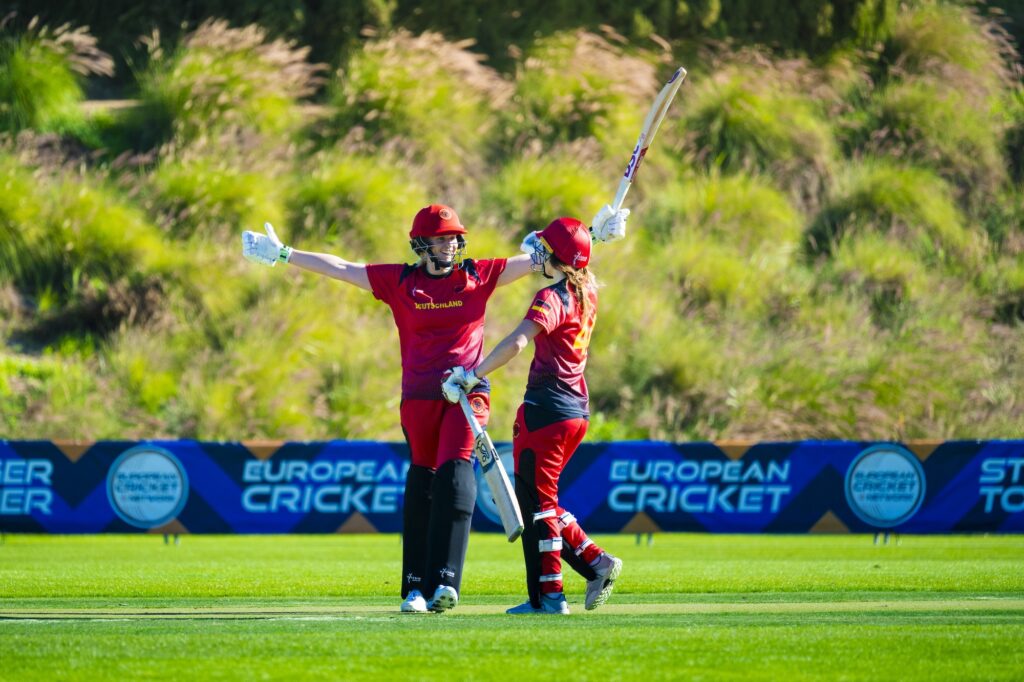
This system has been applied successfully with:
- Elite female players
- International environments
- Long-term development pathways
It has survived real seasons, real workloads, and real fatigue — not controlled sessions.
How Women’s Coaching Fits Inside the System.
Women’s Cricket Coaching at Cricket Matters is not isolated. Every athlete moves through the same professional sequence:
Assessment → Roadmap → Technical & Physical Intervention
This ensures:
- Technique is structurally supported
- Injury risk is proactively managed
- Performance improvements hold up in matches
Who This Is For.
This service is for female cricketers — and parents — who want clarity instead of guesswork.
- Players showing promise but dealing with recurring pain
- Athletes returning from injury who don’t fully trust their body
- Players whose performance fades under fatigue
- Parents seeking professional safeguarding of development, not rushed outcomes
This system prioritises long-term availability over short-term results.
If effort is high but outcomes feel fragile, the issue isn’t commitment. It’s something underneath — and that’s what this system is built to uncover.
Accountability & Oversight.
Women’s coaching decisions affect long-term availability. They are not delegated.
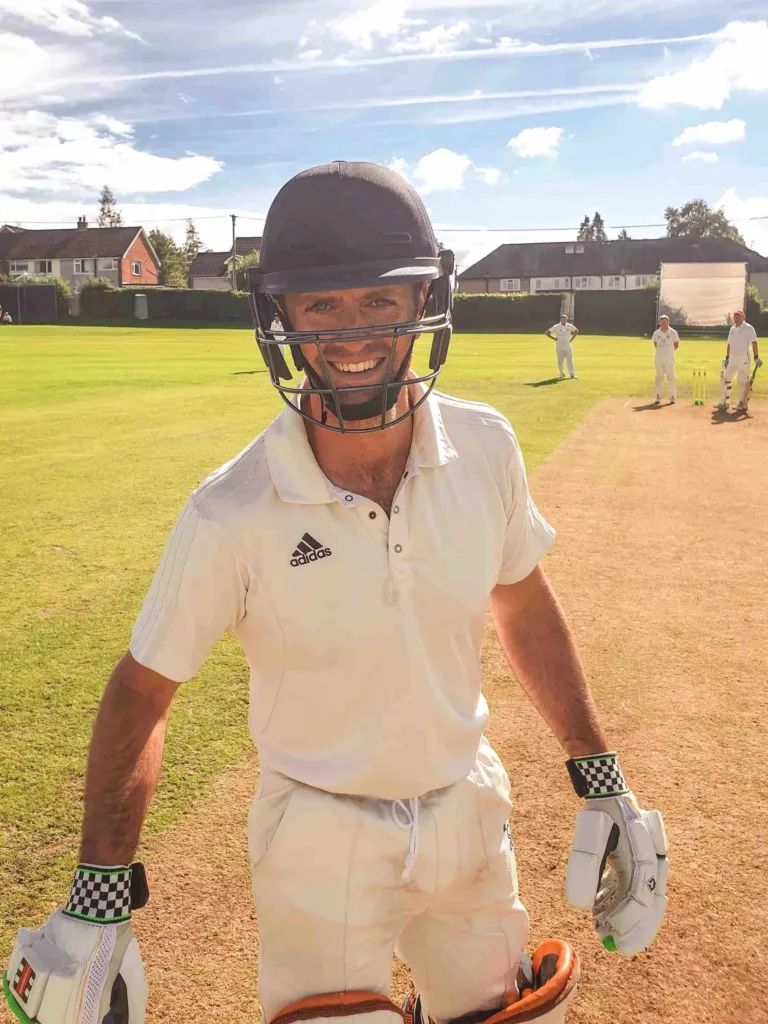
All women’s cricket coaching at Cricket Matters is designed and overseen by James Breese, operating at the intersection of:
- Level 4 Sports & Remedial Therapy (LCSP Associate Member)
- ECB Cricket Coaching
- High-Performance Strength & Conditioning
This ensures every technical decision is cross-checked against injury risk, structural capacity, and long-term progression.
Start With a Performance Assessment.
All Women’s Cricket Coaching begins with a Performance Assessment. This is the professional standard that protects health, confidence, and development. We do not coach habits until we understand constraints.
Ready to Start?
Book a Performance Assessment to map the pathway properly. No ambiguity.Just clear actionable advice and strategy.
Need Direction? If you’re unsure whether women’s coaching or injury assessment is appropriate, a free 20-minute clarity call will guide you to the correct entry point.
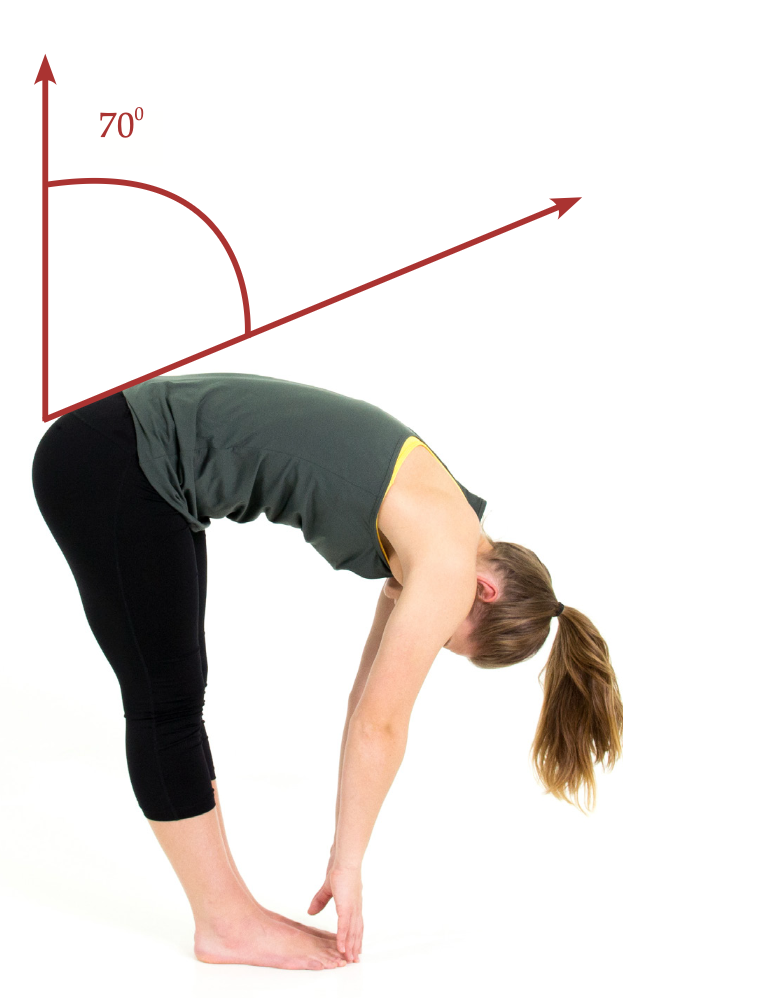
One System. Applied to Female Athletes.
The Cricket Matters Performance System was built under real overs, real fatigue, and over real seasons. Women’s cricket coaching does not dilute that standard. It extends it.
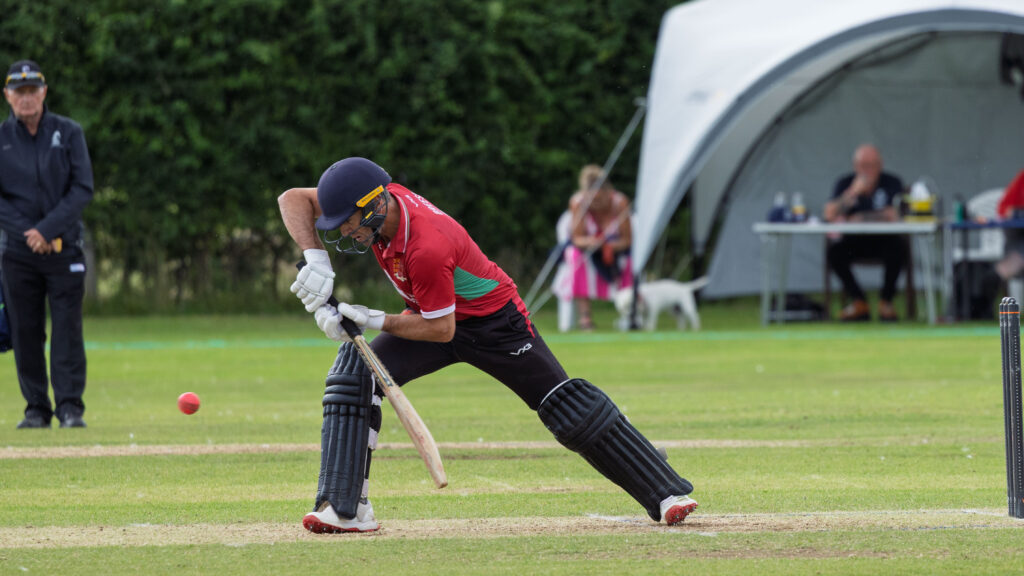
Choose Your Starting Point
Start in the Right Place.
Every cricketer starts with assessment — to identify what’s limiting progress before training or coaching begins.
Already a Client? Manage or Book Sessions Here
If pain or injury is involved, begin with an injury assessment.
If not, performance assessment is the correct entry point.
If you’re unsure, a free 20-minute clarity call will guide you.