
Technical & Tactical Cricket Coaching
Performance Cricket Coaching Engineered for Match-Day Demands.
Cricket Matters Technical & Tactical Coaching exists to answer a single question: Why does your technique break down when it matters most?
This is not session-based coaching. It is the application phase of the Cricket Matters Performance System — where mechanics, tactics, and decision-making are engineered to survive fatigue, pressure, and time.
Technique is not something we “add.” It is something we enable. All technical coaching at Cricket Matters begins with a mandatory Performance Assessment to ensure your body has the structural permission to execute what you are being coached to do.
Why Most Technical Coaching Fails.
The Net-Session Loop.
Most cricketers are stuck in the same loop:
- A technical flaw is identified
- A cue or drill is applied
- Improvement appears in the nets
- Performance collapses in matches
- Confidence drops, injuries follow, and the process repeats
This happens because traditional coaching often treats the symptom — bat path, head position, release point — without addressing the constraint driving it.
Players are asked to “try harder” without first asking a more important question:
Will your body actually let you do this under match conditions?
At Cricket Matters, we break the Net-Session Loop by identifying the mechanical and physical limits that sit underneath technique — before coaching is applied.
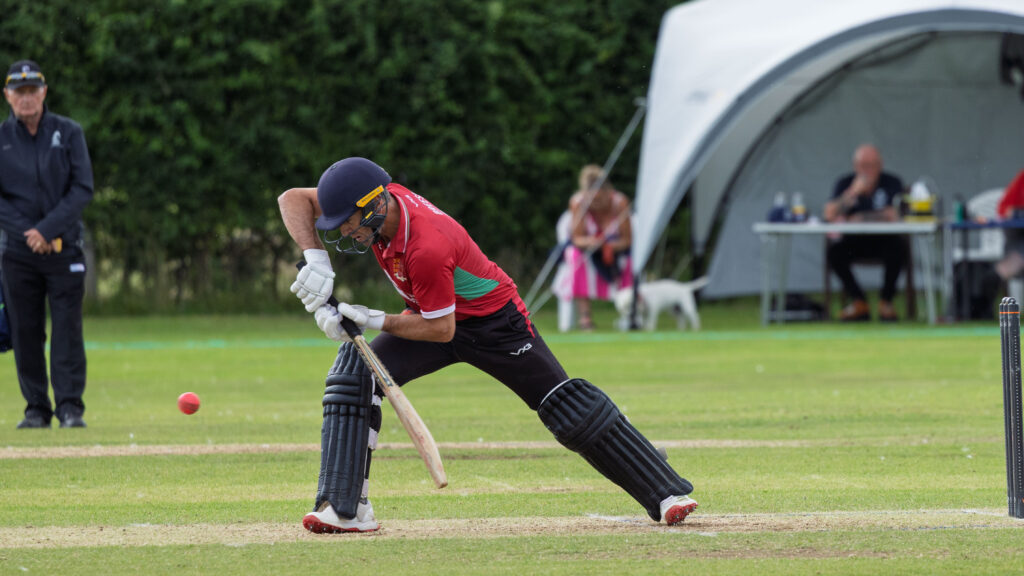
The Biology of Technique.
Technique is not a choice. It is an output.
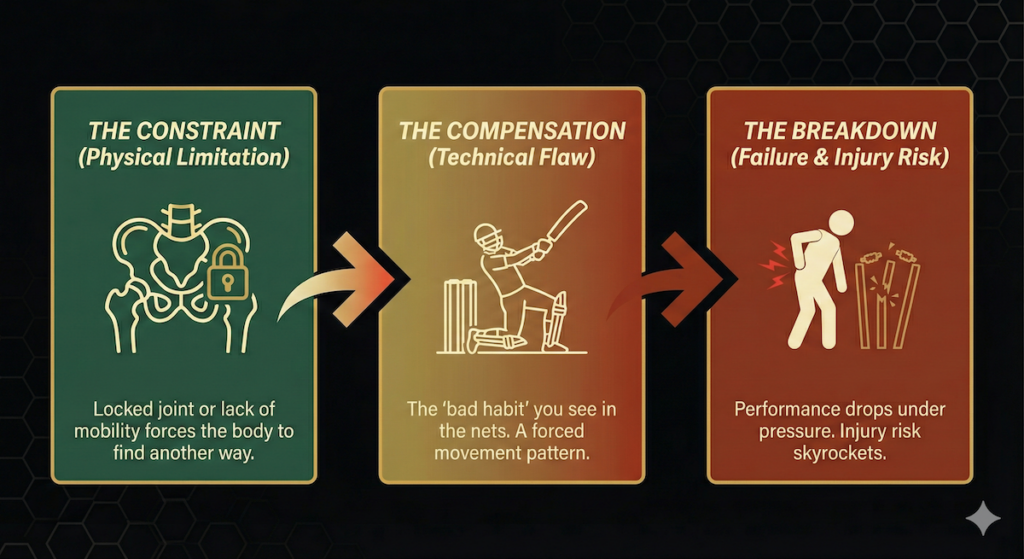
In conventional coaching, you are told where your hands should be, how your feet should align, or how your body should move. But no technical instruction matters if your body does not have the structural permission to reach or control that position.
At Cricket Matters, every technical issue is classified into one of two categories:
1. The Habit (Technical)
A movement you can perform, but don’t — due to poor patterning, decision-making, or misunderstanding.
Habits are fixed with coaching.
2. The Constraint (Physical)
A movement your body cannot perform.
- If your thoracic spine is locked, you cannot “get your head over the ball” without collapsing posture.
- If your lead hip lacks internal rotation, your front foot will fall across — no matter how often you’re told to stay straight.
- If your ankle cannot move, force leaks and stress migrates elsewhere.
Trying to coach around a constraint doesn’t just fail — it raises injury risk.
This is why Cricket Matters operates a No Bypass rule. We use the Performance Assessment to map your Structural Permissions first, identifying:
- Green Zones — where technique can be coached immediately
- Red Zones — where physical work must precede technical change
Stop fighting your biology. Start training with it.
Where the System Gets Tested.
I don’t coach this system from the sidelines. I use it under playing conditions.
Age removes margin. Systems either adapt — or fail.
I’m in my forties and still playing competitive cricket — opening the batting and bowling leg-spin at club and international Masters level. That matters, because at this stage of the game, there’s nowhere to hide.
- Recovery is slower.
- Margins are smaller.
- Fatigue exposes everything.
If preparation is sloppy, the game punishes it immediately.
- The new ball doesn’t tolerate technical compensation.
- High torque doesn’t forgive weak links.
- Time removes false confidence.
That’s why this system is built the way it is.
Opening the batting and bowling leg-spin aren’t specialisms here — they’re stress tests. If mechanics, capacity, or sequencing break down, they break down fast. And if a system holds up there — week after week, season after season — it holds up everywhere.
This isn’t theory. It’s what survives real overs, real fatigue, and the realities of still performing when most players are managing decline.
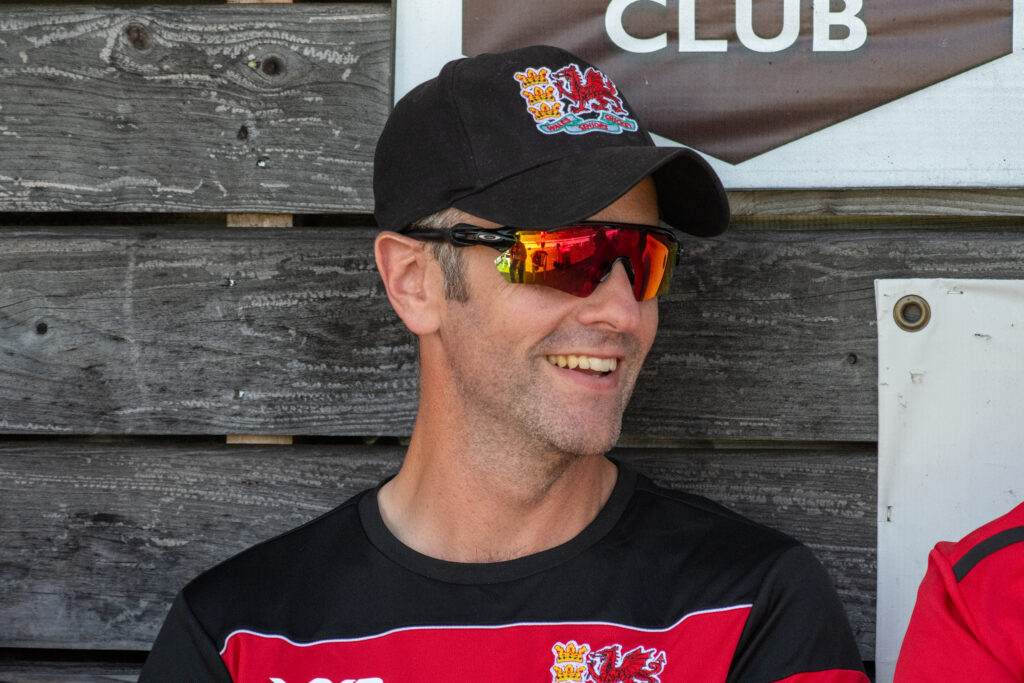
Athletic Fielding
Eliminating the Movement Tax.
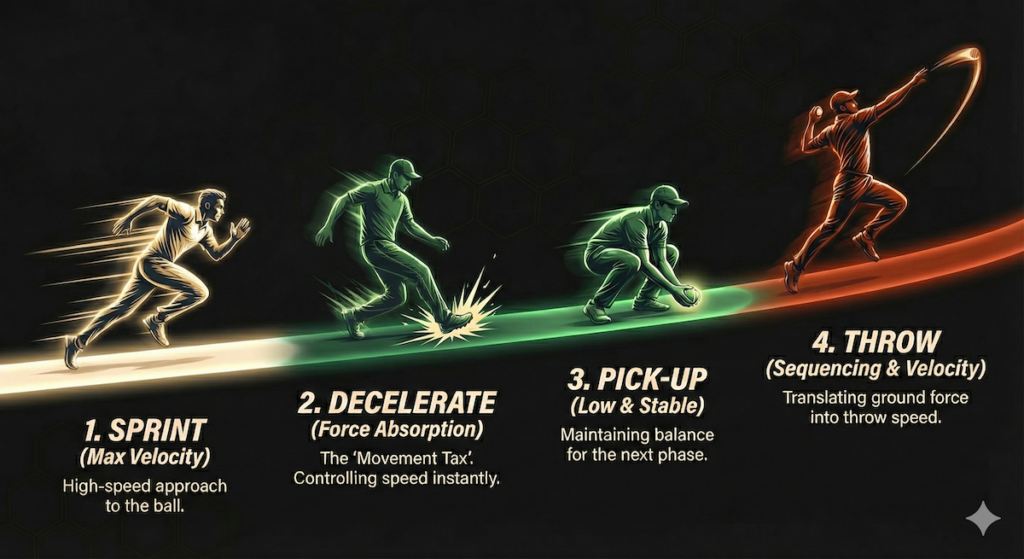
Great fielding is not a skill you practice. It’s an athletic capacity you enable.
Fielding is the highest physical tax in cricket — yet it’s often treated as an afterthought. At Cricket Matters, we view fielding as a performance leak governed by The Movement Tax.
If your body can’t pay that tax, performance drains away:
- Slower off the mark
- Poor deceleration
- Throwing accuracy lost under fatigue
- Rising soft-tissue injury risk
We engineer elite fielding through three athletic pillars:
Eccentric Braking Capacity.
Speed is useless without the ability to stop. We train force absorption to allow rapid deceleration into clean pick-ups and throws.
Reactive Ground Contact Time.
Elite fielding is won in the first three steps. We reduce ground contact time and improve reactivity toward the ball.
Throwing Mechanics Under Fatigue.
A clean throw early is easy. A flat, fast, accurate throw requires efficiency, athleticism and technique. We ensure trunk and shoulder sequencing survives long into the season.
Fielding progress is never isolated. It is directly linked to Strength & Conditioning and Injury Rehab data inside the system.
Tactical Resilience Under Physical Stress.
Decision-making collapses when physical capacity fails. Confidence, clarity, and tactical discipline only exist when the body trusts itself under load. At Cricket Matters, mental resilience is not trained in isolation — it emerges when movement, capacity, and mechanics are aligned.
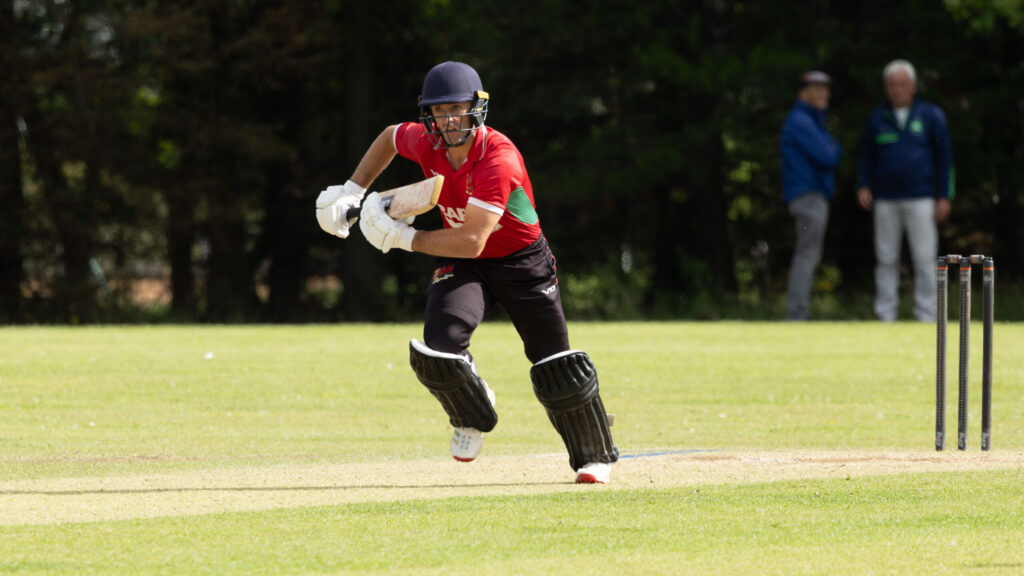
How Technical Coaching Fits Inside the System.
What This Coaching Actually Is
This is long-term, system-led technical work for cricketers who want their best cricket to show up under match conditions — not just in practice.
If you’re looking for isolated tips or one-off net sessions, this won’t fit.
If you want technique that holds up under fatigue, pressure, and time, this is where that work happens.
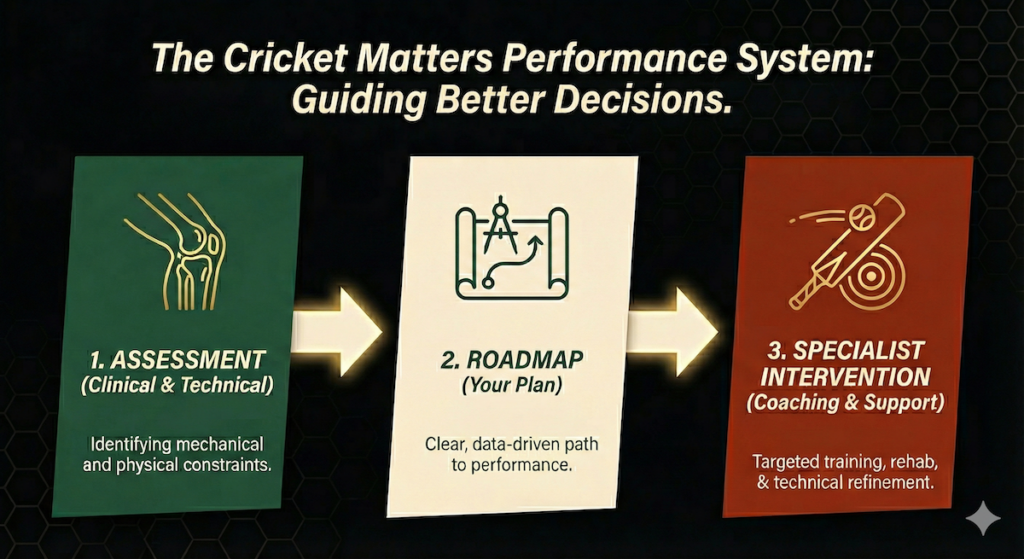
Assessment → Roadmap → Technical & Tactical Coaching
This ensures:
- Technique changes are sustainable
- Physical capacity supports intent
- Injury risk is controlled
- Performance holds up in matches
Coaching is not delayed — it is sequenced correctly.
Global Access: Remote Performance Engineering.
Geography is not a limitation when coaching is diagnostic, not demonstrative.
For cricketers training or competing outside South Wales, the Cricket Matters system is delivered through our Online Cricket Coaching pathway. This is not a virtual lesson or video call. It is Remote Performance Engineering.
Using structured filming protocols, asynchronous video analysis, and integrated oversight through our performance app, we apply the same diagnostic standards remotely as we do in our Cwmcarn clinic — without compromising technical or clinical integrity.

Specialist Cricket Coaching for the Female Athlete.
Performance is biological. Technical coaching that ignores female biomechanics is incomplete.
At Cricket Matters, we provide Women’s Cricket Specialist Coaching that is engineered for the unique physical demands of the female game.
This isn’t “standard” coaching; it is a specialised application of our performance system that accounts for specific biological stress tests—from Q-angle management and lead-leg bracing to pelvic stability and ACL risk mitigation.
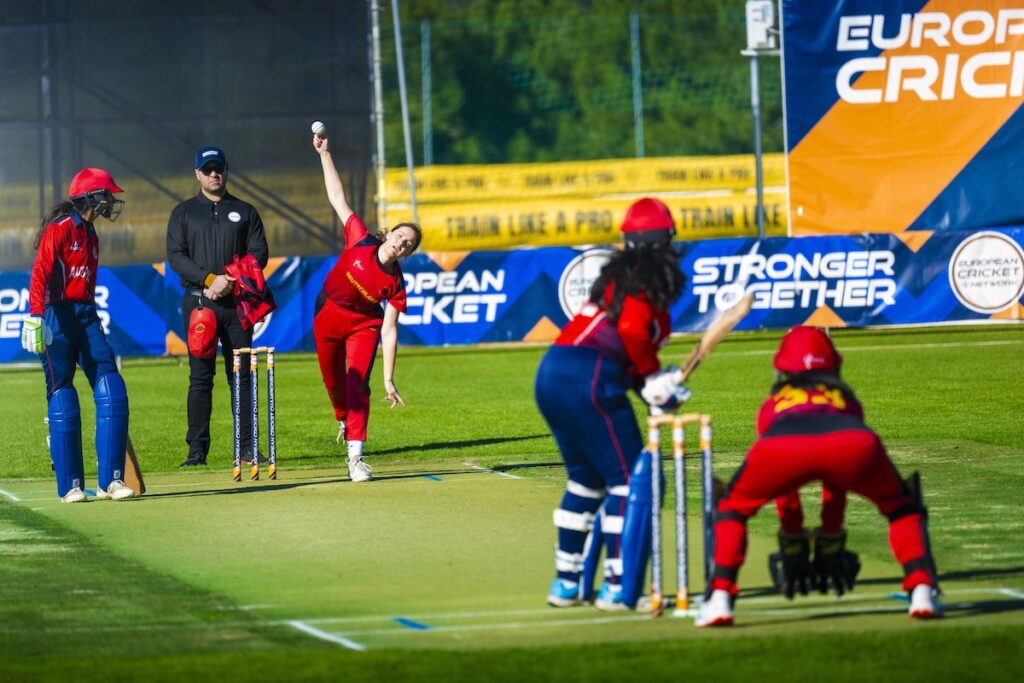
Local Access: Cardiff Performance Hub.
Based at Cardiff Cricket Club.
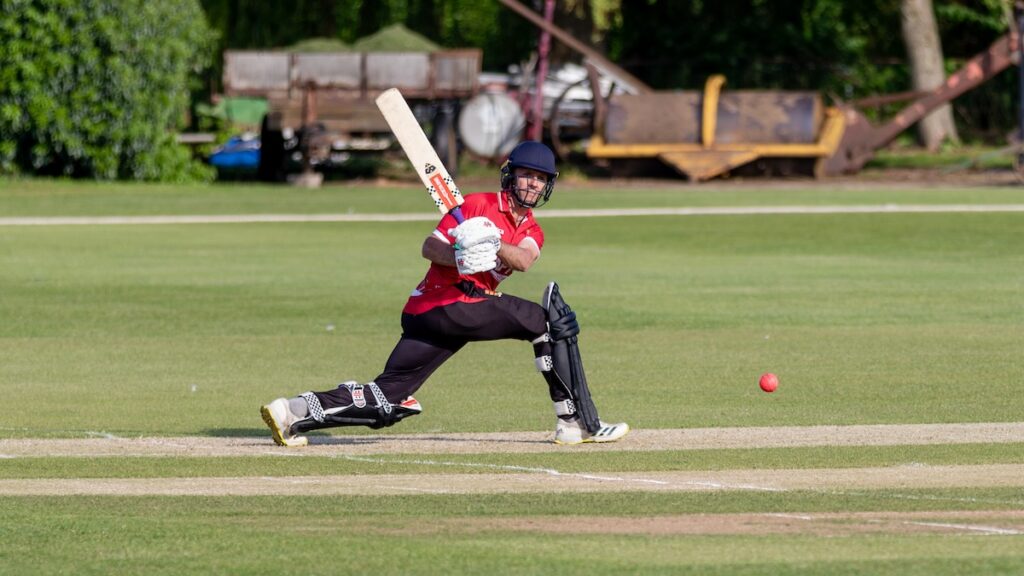
For cricketers training in the city, we integrate on-field technical sessions at Cardiff Cricket Club with clinical diagnostic oversight at our Cwmcarn Hub.
This ensures Cardiff-based athletes receive the same bio-mechanical engineering standards as our elite and international clients.
Who This Is For.
This is for cricketers — and parents — who are tired of effort not translating into results.
Players who train hard, care deeply, and show flashes of quality — yet find that performance fades under fatigue, pressure, or time.
Parents who see potential, but want confidence that it’s being developed safely, not guessed at.
If your best cricket doesn’t consistently show up on match day, the problem isn’t commitment.
It’s something underneath — and that’s what this system is built to uncover.
Cricket Coaching in Cardiff and South Wales.
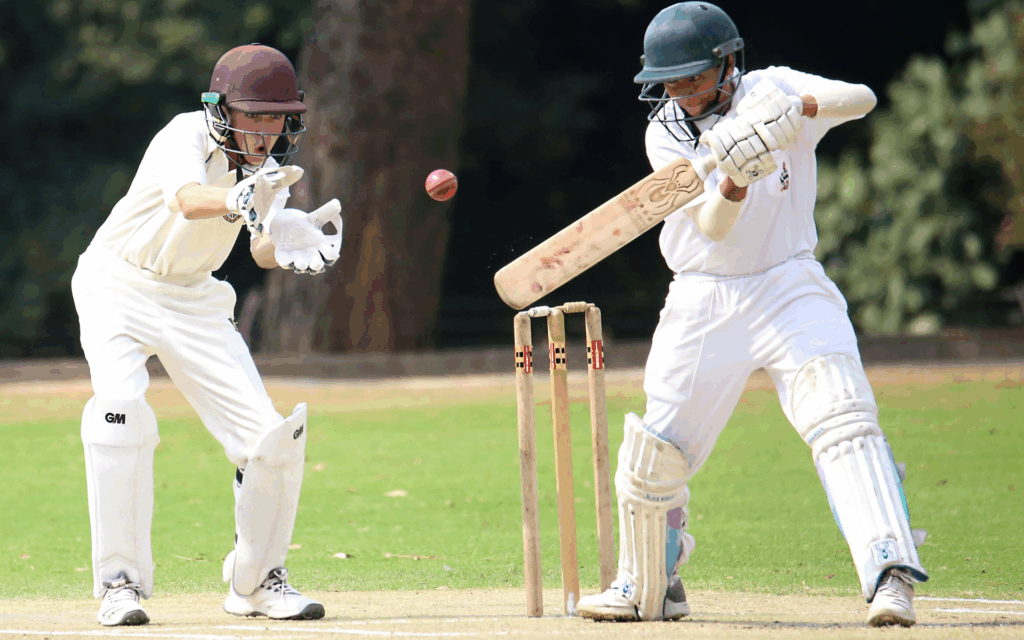
South Wales has a rich coaching landscape. From the professional pathways at Glamorgan County Cricket Club to established private practitioners, the region demands high standards.
Cricket Matters serves as a high-performance bridge in this community. We provide technical engineering for players across Cardiff, Newport, and the Valleys from our Cwmcarn Performance Hub.
While respected peers like Alistair Waldron and Alec Holdaway focus on traditional technical refinement, our system integrates Clinical Sports Therapy with ECB-level coaching. We do not just coach the skill; we engineer the structural permission to execute it.
Accountability & Oversight.
One System. One Vision. Zero Fragmentation.
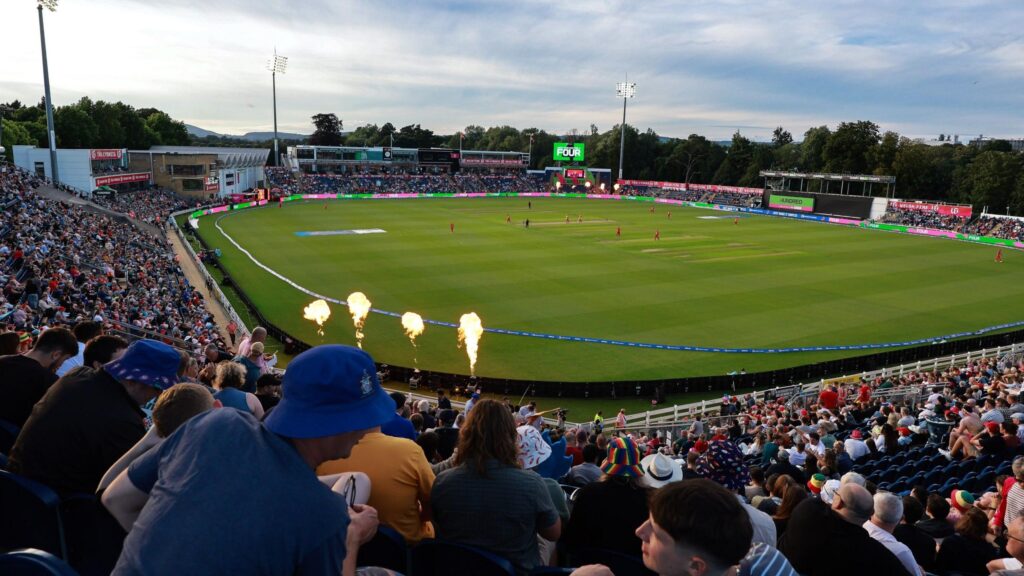
When you enter this department, you aren’t just getting a coach; you are getting a Performance System Architect.
As a Level 4 Sports Therapist (LCSP), ECB Coach, and S&C Specialist, James Breese oversees every technical decision. Your technical work is cross-referenced with your clinical assessment and physical data.
We don’t just tell you what to do; we ensure your body is actually cleared to do it.
Start with a Performance Assessment.
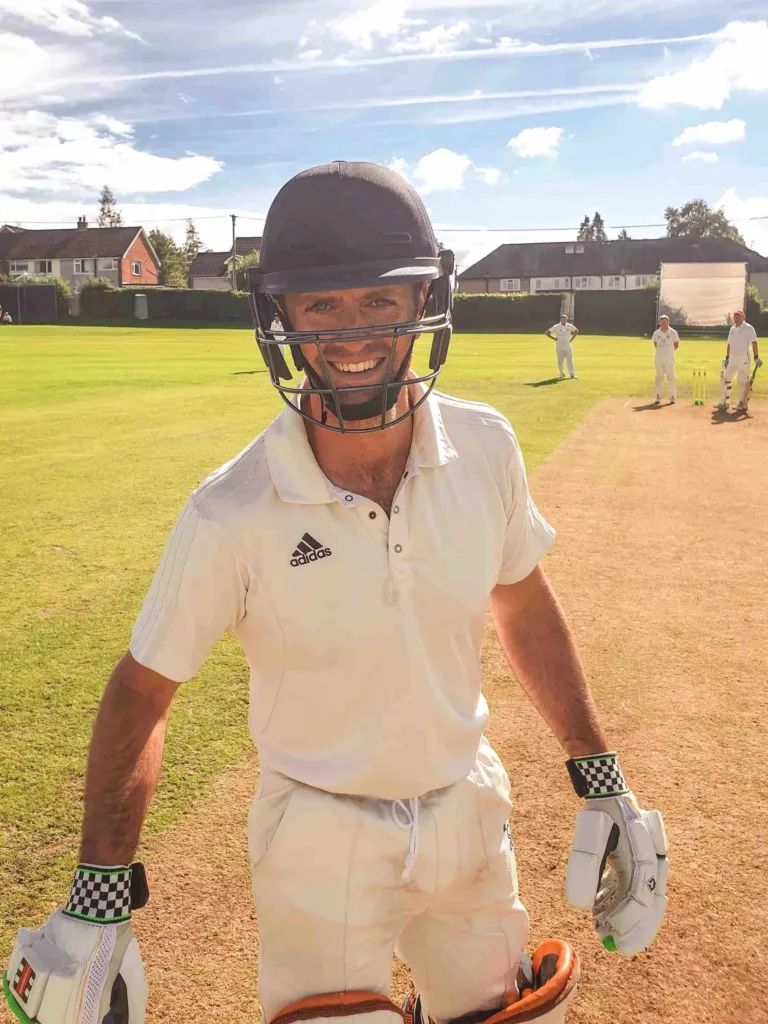
All Technical & Tactical Coaching begins with a Performance Assessment. This is the professional standard that protects your health, your time, and your long-term progress.
Choose Your Entry Point:
Ready to Start? Book your Performance Assessment to map your cricketing journey and build your roadmap.
Need Direction? If you’re unsure whether technical coaching or injury assessment is appropriate, a free 20-minute clarity call will guide you.
Choose Your Starting Point
Start in the Right Place.
Every cricketer starts with assessment — to identify what’s limiting progress before training or coaching begins.
Already a Client? Manage or Book Sessions Here
If pain or injury is involved, begin with an injury assessment.
If not, performance assessment is the correct entry point.
If you’re unsure, a free 20-minute clarity call will guide you.